

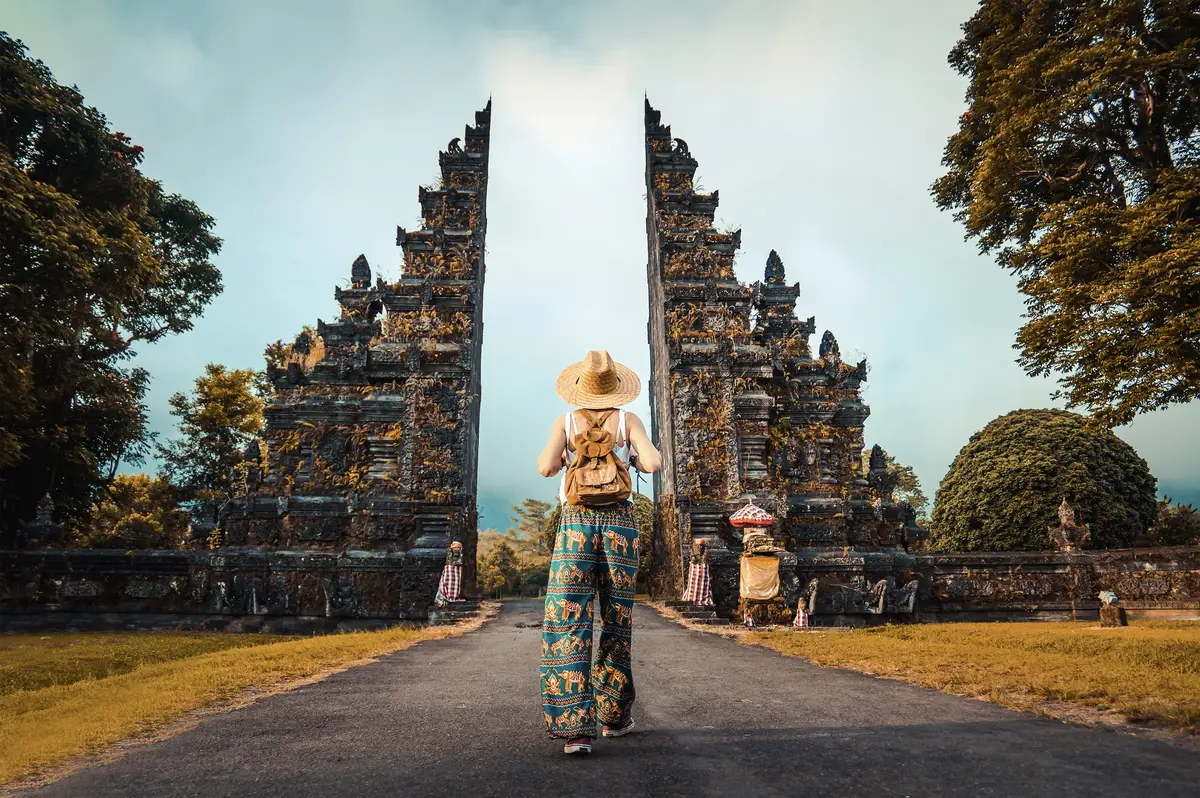
Yogyakarta Travel Guide – Standing amidst the morning mist atop a centuries-old stupa offers a rare spiritual clarity. Yogyakarta is not merely a destination; it is the profound soul of Java, where ancient traditions live on. For international travelers, navigating this historical landscape requires more than a map; it demands a deep connection to the stories etched in stone.
This itinerary is crafted from years of exploring the region’s hidden corners and celebrated monuments. We aim to guide you through a journey that balances iconic sights with intimate cultural moments. By following this curated plan, you will experience the magic of the Mataram Kingdom without the rush of typical tourism.
Why Yogyakarta is the Ultimate Cultural Destination
Yogyakarta holds a special status in Indonesia as a center of art, culture, and education. It is the only region still governed by a pre-colonial monarchy, the Sultanate of Ngayogyakarta Hadiningrat. This unique political structure preserves traditions that have vanished elsewhere, making the city a living museum of Javanese heritage.
Travelers often describe the atmosphere here as slower, friendlier, and deeply rooted in philosophy. You will find that local daily life is intertwined with respect for ancestors and nature. From the intricate Batik textiles to the gamelan music filling the air, every element tells a story of refinement.
“To understand Indonesia, one must first understand the heart of Java. Yogyakarta is where that heart beats the strongest.”
Planning Your Trip: What You Need to Know
The dry season, spanning from April to October, is undeniably the best time to visit. During these months, you are rewarded with clear skies perfect for sunrise viewings and outdoor exploration. While the wet season brings lush greenery, the rain can occasionally hinder access to open-air temple structures.
Logistics in Yogyakarta are straightforward, with the new Yogyakarta International Airport (YIA) serving global connections. However, traffic in the city center can be dense, making travel time unpredictable. We recommend allocating extra time for transit between attractions to ensure a stress-free experience.
Day 1: The Sunrise and Ancient Buddhist Heritage
Witnessing the Borobudur Sunrise
Your journey begins in the dark, well before the world wakes up. Arriving at the base of the monument, the air is cool and filled with anticipation. As you ascend the stone tiers, the silhouette of Mount Merapi slowly emerges from the shadows.
This 9th-century Mahayana Buddhist temple is the largest of its kind in the world. The sunrise here is not just a visual spectacle; it is a moment of profound silence. Watching the light hit the perforated stupas creates an ethereal atmosphere that photographs can rarely capture.
Exploring Mendut and Pawon Temples
Many visitors rush back to the city after Borobudur, missing these two critical smaller temples. Mendut and Pawon form a straight geographical line with Borobudur, suggesting a ritualistic connection. Mendut houses three magnificent, remarkably intact stone statues that tower over visitors in a dim, sacred chamber.
These smaller sites offer a quieter, more intimate look at architectural details often overlooked at the main complex. The reliefs here depict distinct fables and moral stories relevant to Buddhist teachings. It is a peaceful pause that deepens your understanding of the region’s spiritual history.
A Taste of Local Javanese Cuisine
After a morning of history, refueling with authentic local food is essential. Javanese cuisine is known for its sweetness and complex spice blends. You must try Gudeg, a slow-cooked young jackfruit stew served with rice, chicken, and crisp beef skin called krecek.
| Dish | Main Ingredient | Flavor Profile |
| Gudeg | Young Jackfruit | Sweet, Savory |
| Klatak Satay | Goat Meat | Salty, Minimalist |
| Bakpia | Mung Bean Pastry | Sweet, Flaky |
For a tailored culinary experience, a robust Yogyakarta temple tour package often includes stops at hidden local gems. These are places favored by residents, ensuring you taste genuine flavors rather than tourist adaptations. It is a delicious way to connect with the local culture.
Day 2: Hindu Masterpieces and Royal Traditions
The Majestic Prambanan Temple Complex
Day two shifts focus to the Hindu heritage of the ancient Mataram Kingdom. Prambanan is a stark contrast to Borobudur, characterized by tall, pointed architecture striving upwards. The central building, dedicated to Shiva, stands an impressive 47 meters high, dominating the surrounding landscape.
Walking through the complex, you will see intricate bas-reliefs telling the story of the Ramayana. The sheer scale of the stone compounds is a testament to ancient engineering. It represents the harmonious coexistence of Hinduism and Buddhism in Java’s past history.
Sunset at Ratu Boko Palace
Located on a plateau overlooking Prambanan, Ratu Boko offers a different historical perspective. It is not a temple but the remains of a vast fortified palace complex. The site features stone gates, bathing pools, and a crematorium, hinting at a bustling royal life.
The main gate creates a perfect frame for the setting sun, popular among photographers. The elevation provides a panoramic view of the active Mount Merapi and the city below. It is a serene spot to reflect on the grandeur of the civilizations that once thrived here.
The Ramayana Ballet Experience
No cultural tour is complete without witnessing the Ramayana Ballet performed against the illuminated Prambanan backdrop. This open-air performance combines drama, music, and dance without spoken dialogue. The story creates a universal language that captivates international audiences regardless of their background.
Read: Luxury Yogyakarta Tour Packages for Bali Tourists
Hundreds of dancers in ornate costumes bring the epic saga of Rama and Shinta to life. The dynamic gamelan orchestra underscores the battle scenes and romantic interludes perfectly. It is a mesmerizing conclusion to your exploration of Java’s classical period.
Choosing the Right Guide Matters
Navigating these historical sites requires more than just a driver; it requires a storyteller. Trevmi Nusantara specializes in bridging the gap between international guests and local wisdom. We ensure that logistics are seamless so you can focus entirely on the experience.
Read: Private Borobudur and Prambanan Tour from Yogyakarta
A good guide provides context that guidebooks simply cannot offer. They explain the philosophy behind a relief or the etiquette in a sacred space. With Trevmi Nusantara, you gain a travel partner who prioritizes your comfort and cultural immersion above all else.
Essential Tips for International Travelers
Respecting local customs is paramount when visiting sacred religious sites in Indonesia. Both Borobudur and Prambanan require visitors to dress modestly, covering shoulders and knees. Many packages provide a batik sarong upon entry, adding a nice local touch to your visit.
Traveler Note: Always carry water and wear comfortable walking shoes. The temple compounds are vast, and the tropical heat can rise quickly by mid-morning.
Be mindful of the structures; climbing on stupas or statues is strictly prohibited to preserve them. Interaction with locals is generally warm, but a polite smile goes a long way. Learning a few words of Bahasa Indonesia, like terima kasih (thank you), is always appreciated.
Conclusion
This two-day itinerary offers a comprehensive glimpse into the soul of Java. From the misty heights of Borobudur to the dramatic spires of Prambanan, every moment is steeped in history. A well-planned Yogyakarta temple tour package ensures you miss nothing of significance.
Traveling here is about witnessing the endurance of human spirituality and artistic achievement. With the right guidance from experts like Trevmi Nusantara, your journey becomes effortless and deeply enriching. We invite you to step into our history and create your own timeless memories.
