Yogyakarta Travel Guide – Packing for a trip to Indonesia often creates a dilemma for international travelers. You look at the weather forecast and see high temperatures, urging you to pack your lightest shorts and tank tops. But then you read about the culture, the temples, and the traditions, and you worry about being disrespectful.
The question of what to wear in Yogyakarta is one of the most common inquiries we receive. It is not just about fashion; it is about finding the sweet spot between surviving the tropical humidity and honoring the local customs.
As your local Yogyakarta travel guide, Trevmi Nusantara is here to simplify this for you. The goal isn’t to change your style completely, but to adapt it so you feel comfortable, confident, and welcomed wherever you go.
Surviving the Tropical Embrace
First, let’s talk about the heat. Yogyakarta Travel is humid. It is the kind of warmth that wraps around you the moment you step outside. When choosing what to wear in Yogyakarta, fabric is your most important decision. Forget your heavy denim jeans or thick synthetic polyesters—they will trap heat and make a long day of sightseeing feel exhausting.
Instead, embrace natural, breathable fibers. Cotton, linen, and rayon are your best friends here. You want clothes that float away from your body rather than sticking to it. If you are planning a full day out—perhaps visiting the Sultan’s Palace in the morning and shopping on Malioboro Street in the afternoon—having a spare t-shirt in your daypack is a pro tip that can make you feel fresh halfway through the day.
The Art of “Sopan Santun” (Modesty)
Yogyakarta is the cultural heart of Java. While it is a modern, student-friendly city, it remains deeply rooted in tradition. The local concept of Sopan Santun (politeness) extends to how people dress.
You don’t need to cover up completely, but showing too much skin can draw unwanted attention and make interactions feel slightly awkward. A good rule of thumb for both men and women is to keep shoulders and knees covered when in public spaces. Think of t-shirts rather than singlets, and knee-length shorts or lightweight trousers rather than mini-shorts. When you dress modestly, you signal to the locals that you respect their values. In return, you will often find that people are warmer, more open, and eager to connect with you.
Dressing for the Temples: Borobudur and Prambanan
The dress code becomes stricter when you enter sacred spaces. If you are wondering what to wear in Yogyakarta specifically for temple tours, preparation is key.
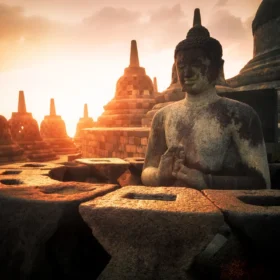
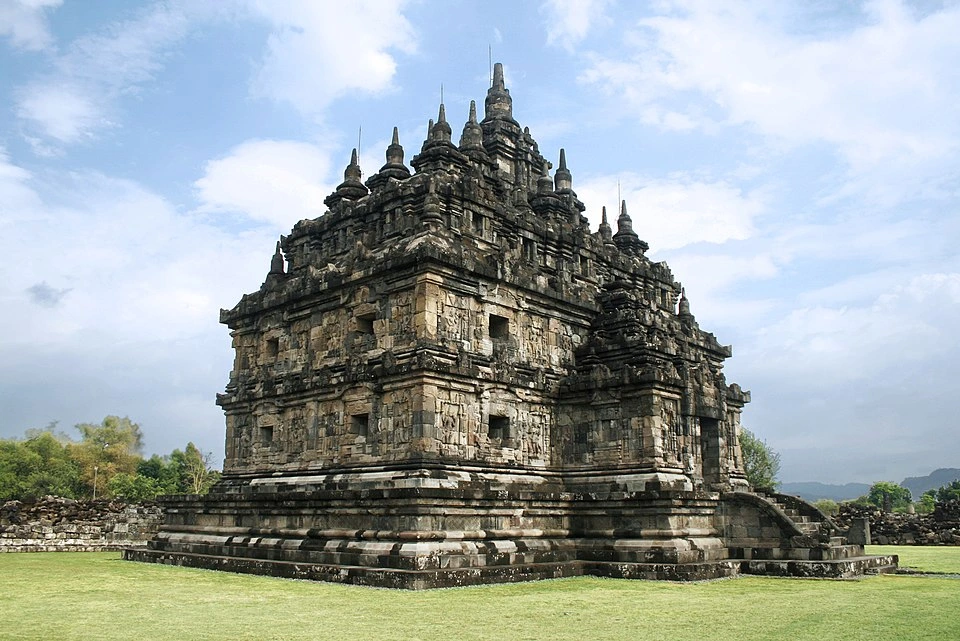
Borobudur and Prambanan are active spiritual sites as well as monuments. If you arrive wearing short shorts or a tank top, you may be asked to rent or wear a sarong to cover your legs. However, there is a practical reason to dress wisely here, too: the stairs. Borobudur involves climbing steep, high stone steps. Wearing a short skirt or restrictive clothing can make the climb uncomfortable or revealing. Loose, airy pants or a long maxi skirt allow for movement and airflow, keeping you cool as you ascend to the top stupas.
Footwear: The “On-and-Off” Reality
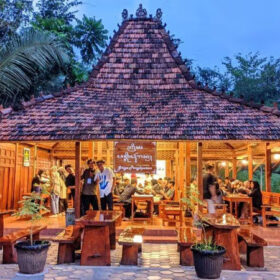
One aspect of travel in Indonesia that surprises many first-time visitors is how often you take your shoes off. You will remove footwear entering the Sultan’s Palace (Kraton), some museums, private homes, and even some traditional restaurants.
Because of this, intricate lace-up boots can become a nuisance. The best footwear for Yogyakarta is a pair of sturdy, comfortable sandals that are easy to slip on and off. If you are trekking Mount Merapi or exploring the caves, sneakers are necessary for safety. But for a general city tour, breathable walking sandals will keep your feet happy and save you time at every entrance.
The Exception: Sunrise and Rain
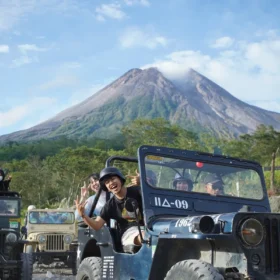
While heat is the norm, there are two exceptions. First, if you are chasing the sunrise perhaps at Punthuk Setumbu or on a Lava Tour jeep ride—the pre-dawn air can be surprisingly chilly. A light windbreaker or a hoodie is essential for those 4:00 AM starts.
Read: The Ultimate Java Escape: A Complete Bali to Yogyakarta Itinerary
Second, if you visit between November and March, you are in the rainy season. Yogyakarta’s rain is often intense but short-lived. Instead of a heavy trench coat, pack a lightweight, foldable poncho or a rain jacket. It keeps you dry without making you sweat, and it tucks away easily once the sun comes back out (which it usually does within an hour).
The “Local Hack”: Buy Batik
If you run out of clothes or find your outfit is too hot, do what the locals do: wear Batik. You can find inexpensive, airy Batik shirts and pants in the markets of Malioboro. They are incredibly comfortable in the heat, and wearing one is a great way to show appreciation for Javanese heritage. Plus, it makes for a wonderful, practical souvenir.
Read: The Real Cost of Visiting Yogyakarta: A Transparent Budget Guide
Final Thoughts
Deciding what to wear in Yogyakarta doesn’t have to be stressful. It is simply about blending practicality with respect. When you wear breathable fabrics, choose modest cuts, and pick the right shoes, you stop worrying about your outfit and start focusing on the experience—the intricate carvings of the temples, the taste of Gudeg, and the smiles of the people around you.
At Trevmi Nusantara, we want your journey to be seamless. Whether you need advice on the weather forecast or help planning a respectful itinerary, we are here to guide you. Pack light, dress comfortably, and get ready to explore the beauty of Jogja.