
Yogyakarta Travel Guide – Leaving the sun-drenched beaches of Bali often comes with a bittersweet feeling. However, the promise of ancient temples and royal history in Java is compelling. I have made this specific journey countless times, exploring every possible route and method. It is a transition from nature’s playground to the cultural heart of the archipelago.
Planning the logistics between these two islands can initially seem quite daunting for travelers. You must navigate ferry schedules, flight times, or long stretches of highway driving. Understanding your options is the key to a stress-free and enjoyable experience. Here is my comprehensive guide on How to get from Bali to Yogyakarta safely.
Understanding the Journey
The distance between Denpasar and Yogyakarta is approximately 700 kilometers across land and sea. This is not a short hop, but a significant travel commitment. The route requires crossing the Bali Strait, which separates the two major islands. This geographical reality dictates every transport choice you will make for this trip.
Why Travel Between These Two Hubs?
Connecting these destinations offers the perfect balance for an Indonesian itinerary. Bali provides world-class relaxation, surfing, and vibrant nightlife scenes. In contrast, Yogyakarta offers deep spirituality, history, and a quieter atmosphere. Seeing both gives you a complete picture of the nation’s diversity. It is the classic “beach to temple” route.
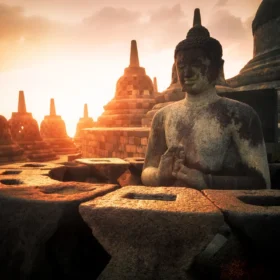
Most travelers feel a shift in energy as soon as they arrive in Java. The pace slows down significantly compared to the bustle of Seminyak. You trade beach clubs for the majestic Borobudur and Prambanan temples. This cultural contrast is the primary reason why this specific route is so popular.
The Geography: Crossing the Bali Strait
The Bali Strait is a narrow strip of water but a major logistical point. All overland traffic must funnel through the port of Gilimanuk in West Bali. From there, ferries cross to Ketapang harbor on the East Java side constantly. This crossing is the bottleneck that defines the total travel time.
Traveler Note: The ferry operates 24 hours a day, departing every 20 to 30 minutes. However, rough seas can occasionally cause delays during the rainy season.
Crossing the strait usually takes about 45 minutes to one hour on the boat. It is a scenic break if you are traveling by bus or car. You can see volcanoes rising from the sea on both horizons. It turns a long travel day into a genuine mini-adventure.
Flying: The Quickest and Most Convenient Option
For travelers with limited time, flying is undoubtedly the superior choice. It condenses a full day of travel into a mere 90-minute journey. You bypass the unpredictable traffic and the fatigue of a long road trip. I always recommend this for families or those on a tight two-week schedule.
Choosing the Right Airport
Yogyakarta is served primarily by the new Yogyakarta International Airport (YIA) in Kulon Progo. The older Adisucipto Airport (JOG) is now mostly used for propeller planes and military flights. Ensure your ticket is booked for YIA to avoid any confusion upon arrival. The new airport is modern, spacious, and very efficient.
From YIA, you are located about 45 kilometers from the city center. While it is further out than the old airport, the transport links are excellent. You can take a dedicated airport train that reaches the city in 40 minutes. This train link is a game-changer for arriving passengers.
Airlines and Booking Tips
Several major domestic carriers operate direct flights daily between Bali and Yogyakarta. Lion Air, AirAsia, and Citilink are the most frequent operators on this route. Garuda Indonesia also offers flights, usually providing a more premium, full-service experience. Prices are generally competitive, especially if you book a few weeks ahead.
I strongly advise booking an early morning flight to maximize your day in Java. Afternoon flights are more prone to delays due to tropical weather patterns. Furthermore, arriving early allows you to settle in and catch the sunset at Malioboro. It sets a relaxed tone for the rest of your trip.
Pros and Cons of Flying
The biggest advantage is obviously the speed and comfort provided by air travel. You avoid the physical exhaustion that comes with twelve hours on a bus. It allows you to wake up in Bali and eat lunch in Yogyakarta. For many, this convenience is worth the slightly higher price tag.
However, you do miss the gradual transition of the landscape by flying over it. You skip the scenic coastlines of East Java and the rural villages. Additionally, getting to Bali’s airport and from Yogyakarta’s airport adds time. You must factor in check-in times and potential traffic in Denpasar.
The Overland Adventure: Bus and Ferry
If you are a budget traveler or have plenty of time, consider the bus. This is a rite of passage for many backpackers exploring Southeast Asia. The direct bus service handles the ferry crossing for you seamlessly. It is a “sit back and relax” approach to a very long journey.
The Route via Gilimanuk and Ketapang
The bus departs from terminal Mengwi in Bali and heads west toward the port. The drive to Gilimanuk can take four hours depending on the traffic situation. Once across the ferry, the bus continues along the northern or southern coast of Java. The total journey can take anywhere from 12 to 16 hours.
This route allows you to see the changing geography of the islands up close. You pass through national parks, teak forests, and endless rice paddies. It is a raw and authentic way to experience the country. You will see small towns that tourists rarely visit.
Comfort Levels: Economy vs. Executive Buses
Do not be intimidated by the idea of a long bus ride in Indonesia. Modern executive buses are surprisingly comfortable and well-equipped for long hauls. They often feature reclining seats, ample legroom, air conditioning, and onboard toilets. Some “Sleeper” classes even offer lie-flat seats for maximum rest.
Pro Tip: Look for bus operators like Gunung Harta or Rosalia Indah. They are known for reliability, safety, and higher comfort standards.
Prices for these executive buses remain very affordable compared to flight tickets. You usually get a meal voucher included in the ticket price for a rest stop. It is a great value option if you can handle the duration. Just bring earplugs and a neck pillow for better sleep.
What to Expect on the Ferry Crossing
During the ferry crossing, passengers usually must exit the bus and go upstairs. The passenger deck offers seating and small stalls selling noodles and coffee. It is a great opportunity to stretch your legs and breathe fresh sea air. The view of the approaching Javanese coast is quite dramatic.
Be aware that the ferry terminal can be chaotic with trucks and vendors. However, it is generally safe and part of the local experience. Keep your valuables with you rather than leaving them on the unattended bus. Once the ferry docks, you simply walk back down to your vehicle.
The Scenic Route: Train Travel
This hybrid method is my personal favorite way to travel this route. It involves getting yourself to Banyuwangi in East Java, then taking the train. The railway system in Java is efficient, clean, and incredibly scenic. It solves the problem of How to get from Bali to Yogyakarta with style.
Connecting from Bali to Banyuwangi
First, you must travel from your hotel in Bali to the Gilimanuk port. You can take a public bus, a shuttle, or hire a private taxi. Walk onto the ferry as a foot passenger, which costs very little. Upon arriving in Ketapang, the train station is just a short walk away.
This leg requires a bit more effort and coordination than a direct bus. You have to manage your own transfers and luggage at the port. However, it breaks up the journey nicely and avoids long highway drives. I suggest spending a night in Banyuwangi to visit the Ijen Crater.
Experience the Train from Banyuwangi to Yogyakarta
The train ride from Banyuwangi to Yogyakarta is a highlight of traveling in Java. You can choose between the Sri Tanjung (economy) or Wijaya Kusuma (executive) trains. The journey takes roughly 11 to 13 hours, winding through the countryside. The seats in executive class are plush and recline comfortably.
The views from the train window are absolutely spectacular and unmatched by other transport. You glide past lush green rice terraces, quaint villages, and looming volcanoes. It offers a window into the daily life of rural Java without the noise. The train also avoids the frequent traffic jams on the main highways.
Why the Train is a Traveler Favorite
Trains in Indonesia are known for being punctual, which is rare for other transport. You have freedom to move around, visit the dining car, and use clean restrooms. The air conditioning is reliable, making it a cool escape from the tropical heat. It feels much less confining than a bus or a plane seat.
Booking tickets is easy via official apps like KAI Access or travel aggregators. You should book at least a few days in advance for executive seats. It is a stress-free way to cover a large distance. You arrive in Yogyakarta feeling rested and ready to explore.
Comparative Cost and Time Analysis
Making a decision often comes down to the numbers: time versus money. Each method appeals to a different type of traveler and budget. I have compiled a quick comparison to help you visualize the differences. This data is based on average conditions and prices.
| Transport Mode | Est. Time | Cost Level | Comfort | Best For |
| Flight | 1.5 Hours | High | High | Time-savers |
| Executive Bus | 14-16 Hours | Low | Medium | Budget travelers |
| Train Combo | 13 Hours | Medium | High | Sightseers |
| Private Car | 15+ Hours | Very High | High | Families/Groups |
Essential Travel Tips for the Journey
Regardless of how you choose to travel, preparation is key to a smooth trip. Traveling between islands involves logistical nuances that can surprise first-time visitors. A little foresight goes a long way in preventing travel headaches. Here are a few tips I have learned from experience.
Read: From Beaches to Temples: The Ultimate 3-Day Java Escape
Best Time to Travel
The dry season, from April to October, is the best time for overland travel. The seas are calmer for the ferry crossing, reducing the risk of seasickness. Roads are also safer and less slippery than during the heavy monsoon rains. You will also enjoy better views from the train or bus windows.
Avoid traveling during major Indonesian holidays like Idul Fitri (Lebaran) or Christmas. Traffic jams during these periods can triple your travel time significantly. Tickets for trains and planes also sell out weeks in advance. If you must travel then, book everything months ahead.
Packing Essentials for the Trip
If you take the bus or train, dress in comfortable layers. The air conditioning can be extremely cold, bordering on freezing, during long trips. A hoodie, long pants, and warm socks are absolute necessities. You will regret wearing only shorts and a t-shirt.
Read: The Ultimate Java Escape: A Complete Bali to Yogyakarta Itinerary
Bring plenty of snacks and water, even if meals are provided. Delays can happen, and having your own supplies keeps you happy. A power bank is also crucial to keep your phone charged for entertainment. Finally, keep noise-canceling headphones handy to block out engine noise or chatter.
Conclusion
Choosing the best route depends entirely on your personal travel style and priorities. If time is your most valuable asset, flying is the obvious winner. However, if you want to immerse yourself in the landscape, the train is unbeatable. The bus remains a solid option for those strictly watching their budget.
Ultimately, figuring out How to get from Bali to Yogyakarta is the start of an adventure. You are moving between two distinct worlds, each with its own magic. No matter which path you choose, the destination is worth the effort. Embrace the journey, and enjoy the rich culture waiting for you in Yogyakarta.
Would you like me to create a detailed list of recommended accommodation areas in Yogyakarta based on your arrival point?