Trevmi Nusantara – Yogyakarta affectionately known by locals as “Jogja” is often called the soul of Indonesia. While Bali offers beaches and Jakarta offers skyscrapers, Yogyakarta offers a deep dive into the rich heritage of the Javanese people. It is a city where ancient Buddhist and Hindu temples stand against the backdrop of an active volcano, and where royal traditions seamlessly blend with a modern, hipster café culture.
For international travelers, Yogyakarta is one of the most rewarding destinations in Southeast Asia. This comprehensive guide, curated by Trevmi Nusantara, will help you navigate the region with confidence, ensuring you experience the magic of Jogja beyond just the tourist snapshots.
Why Visit Yogyakarta?
Unlike the sprawling metropolis of Jakarta, Yogyakarta retains a distinct, relaxed charm. It is the only province in Indonesia still governed by a pre-colonial monarchy (the Sultan), which keeps traditions alive in daily life.
Highlights for the International Traveler:
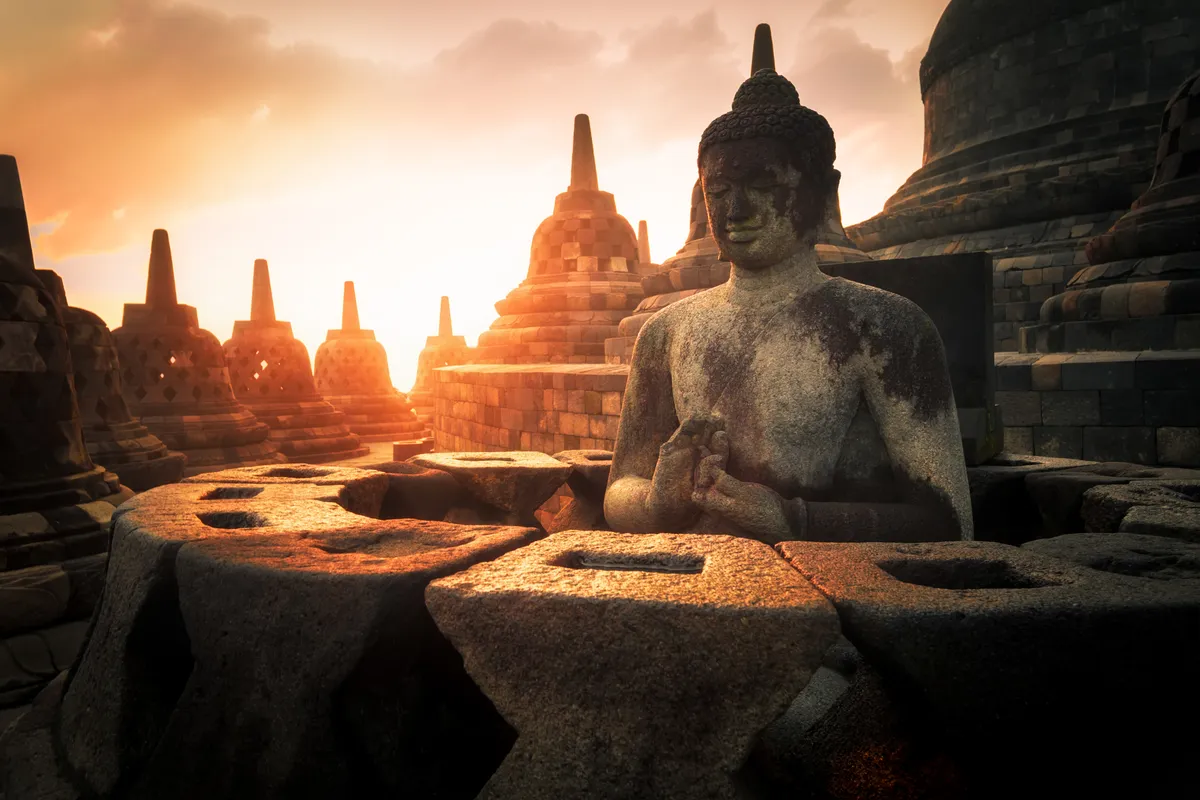
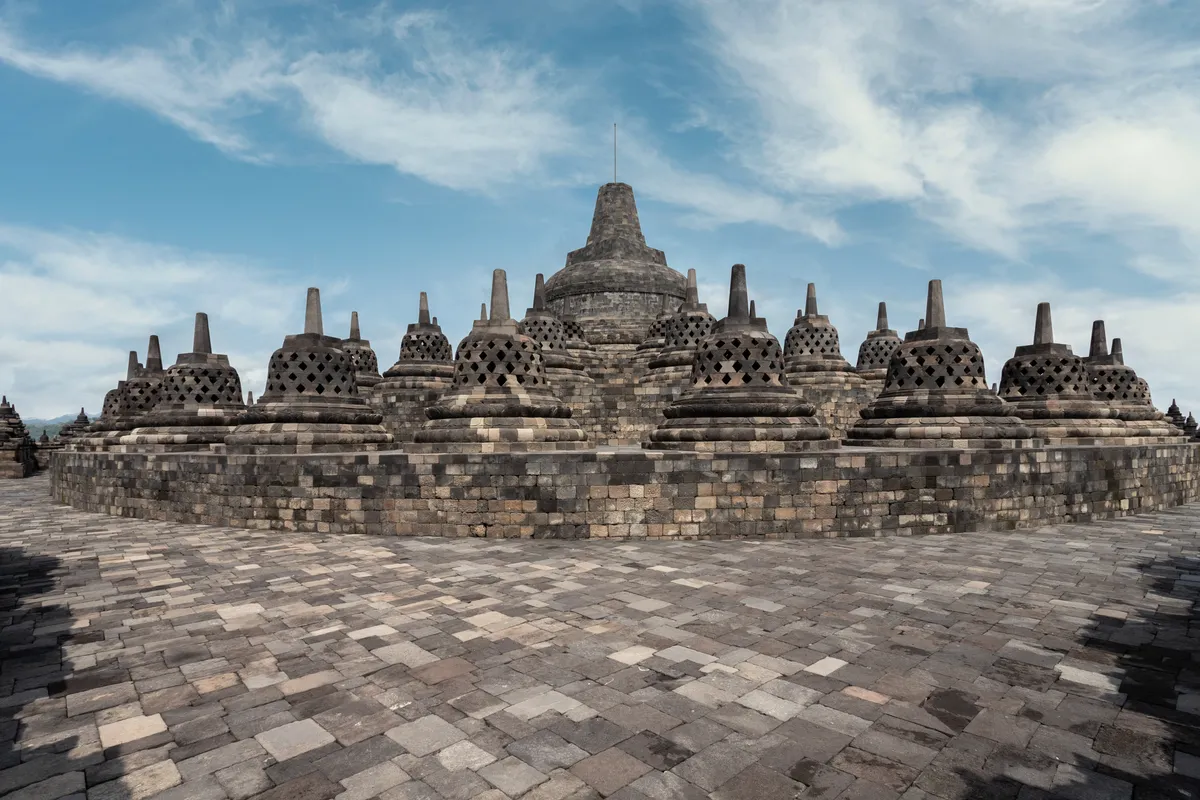
- World-Class History: Home to Borobudur (the world’s largest Buddhist temple) and Prambanan (a massive Hindu complex), both UNESCO World Heritage Sites.
- Nature & Adventure: From the lava slopes of Mount Merapi to the vertical caves of Jomblang.
- Value for Money: Travel costs here are significantly lower than in Bali or Singapore.
- Authenticity: The hospitality here is genuine. You aren’t just a tourist; you are a guest.
Getting There & Logistics
1. By Air: The New Gateway
Most travelers arrive at Yogyakarta International Airport (YIA) in Kulon Progo.
- Note: YIA is located about 45km from the city center.
- Pro Tip: Take the Airport Train (KA Bandara) for a comfortable, traffic-free 40-minute ride directly to Tugu Station (city center). Taxis can take 1.5 to 2 hours depending on traffic.
2. By Train: The Scenic Route
If you are coming from Jakarta, Bandung, or Surabaya, the train is a fantastic option.
- Main Station: Aim for Tugu Yogyakarta Station. It is located right in the heart of the city, steps away from the famous Malioboro Street.
- Experience: Indonesian executive trains are clean, air-conditioned, and offer beautiful views of rice paddies and mountains.
Best Time to Visit
- Dry Season (April – October): The ideal time. Blue skies make for perfect sunrise views at Borobudur and clear sightings of Mount Merapi.
- Peak Season (July – August): Expect larger crowds and slightly higher hotel prices.
- Wet Season (November – March): While rain is frequent, it often comes in short afternoon bursts. The landscape is lush green, and the temples are quieter.
Top Attractions: Beyond the Basics
1. The Icons: Borobudur & Prambanan
- Borobudur: Visit at sunrise for a spiritual experience. Important: Tickets to climb up the temple structure are limited and must be booked in advance; otherwise, you may only be allowed in the temple grounds.
- Prambanan: Best visited in the late afternoon. Stay for the Ramayana Ballet, an open-air night performance with the illuminated temples as a backdrop.
2. The Royal District: The Kraton & Taman Sari
- The Kraton (Sultan’s Palace): A living museum of Javanese culture. Catch a traditional Gamelan or dance performance in the morning.
- Taman Sari (Water Castle): The former royal garden and bathing complex. It’s a maze of underground tunnels, mosques, and pools—perfect for photography.
3. Nature & Adventure
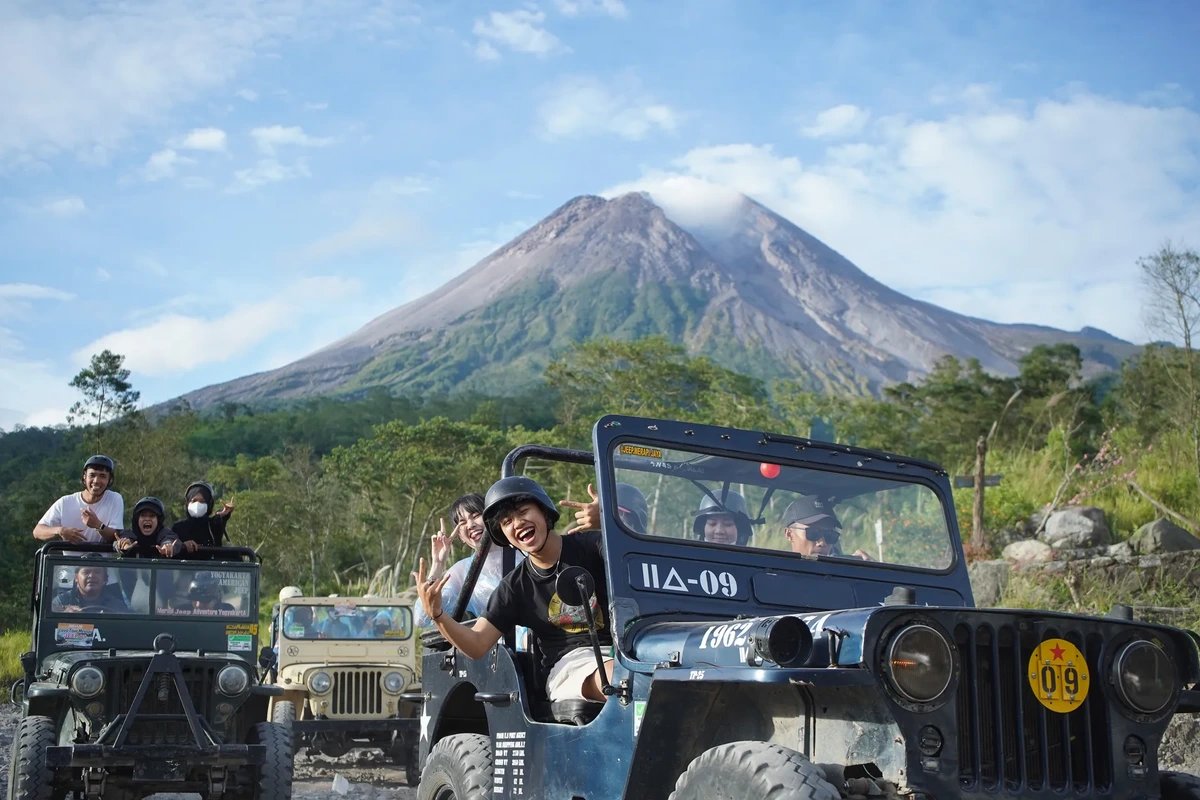
- Mount Merapi Lava Tour: Hop on a 4×4 Jeep to explore the slopes of Indonesia’s most active volcano.
- Jomblang Cave: An adventurous vertical cave exploration where you descend 60 meters to witness the “Light of Heaven” filtering through the sinkhole.
- Timang Beach: Famous for its manual wooden gondola that crosses rough waves to a rocky coral island.
How Long Should You Stay?
Do not rush Jogja. The traffic can be slow, and the sights are spread out.
- 3 Days: The “Classic Loop” (Borobudur, Prambanan, Kraton, Malioboro).
- 5 Days: Add a nature adventure (Merapi/Jomblang) and a culinary tour.
- 7 Days: Explore the southern beaches, visit hidden waterfalls, and enjoy a slow travel pace.
Getting Around
Public transport (TransJogja bus) exists but can be confusing for non-Bahasa speakers.
- Ride-Hailing Apps: Download Gojek or Grab for short trips within the city. They are cheap and reliable.
- Private Driver (Recommended): For day trips to Borobudur, Merapi, or the beaches, hiring a car with a driver is essential. It saves time, offers comfort, and provides you with a local guide.
Trevmi Tip: Navigating the rural roads to temples can be tricky. A private driver allows you to rest between locations and store your luggage safely.
Where to Stay
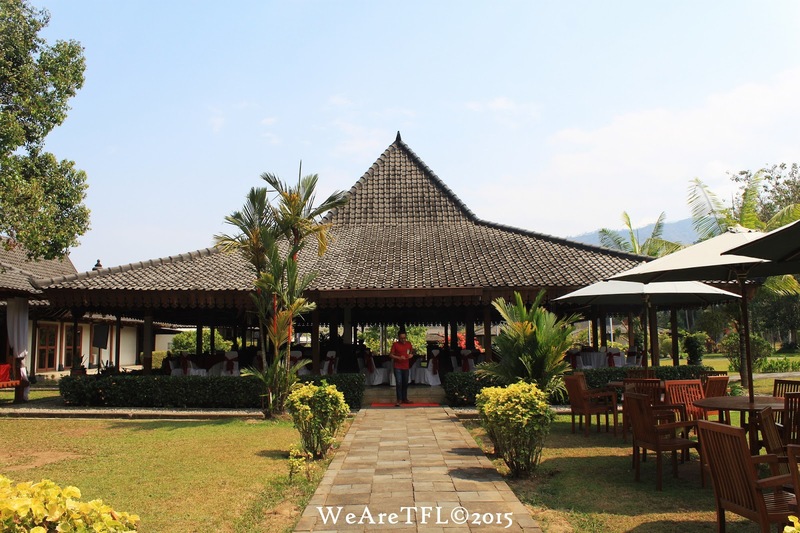
- Prawirotaman Area: The “backpacker” and expat hub. Full of trendy cafes, bars, and boutique hotels. Very walkable.
- Malioboro/Tugu: The busy center. Great for shopping and street food, but can be noisy.
- Kotagede: The historic silver district. Quiet, atmospheric, and full of heritage homestays.
A Taste of Jogja: Culinary Guide
Yogyakarta cuisine is distinctively sweet. Do not leave without trying:
- Gudeg: A stew made from young jackfruit, palm sugar, and coconut milk. It looks like pulled pork but is vegetarian (often served with chicken/egg on the side).
- Sate Klathak: Mutton satay grilled on iron bicycle spokes for even cooking, served with a savory curry soup.
- Kopi Joss: Charcoal coffee! Hot burning charcoal is dropped into your glass to neutralize acidity and add a smoky flavor.
Is it Safe? (Practical Tips)
Yogyakarta is very safe for tourists. Violent crime is extremely rare.
- Dress Code: When visiting temples or the Palace, dress modestly (cover shoulders and knees). Sarongs are often provided at temple entrances.
- Water: Do not drink tap water. Stick to bottled or filtered water.
- Money: Cash (IDR) is king at street stalls, but cards are accepted at hotels and modern restaurants.
Experience Jogja with Trevmi Nusantara
While guidebooks are helpful, the best travel experiences come from local connections. Trevmi Nusantara specializes in crafting seamless itineraries for international guests.
We understand that you don’t want to be rushed. Whether you need a reliable private driver, a guide who speaks fluent English, or access to hidden gems that aren’t on Google Maps, we handle the logistics so you can focus on the experience.
Ready to plan your Javanese adventure? Contact Trevmi Nusantara today to customize your perfect Yogyakarta getaway.