Yogyakarta Travel Guide – For many international travelers, visiting a “Royal Palace” evokes images of Versailles in France or Buckingham in London—grand, glittering, and filled with gold.
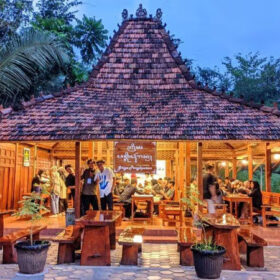
If you arrive at the Sultan Palace (Kraton) Yogyakarta with that expectation, you might feel confused. You won’t find towering spires or diamond-encrusted walls here. Instead, you will find shaded pavilions, dusty courtyards, and elderly men in traditional dress sitting quietly on the floor.
This is why a guide is essential. The beauty of the Kraton is not in its opulence, but in its philosophy. It is not just a historical site; it is a living residence where the Sultan still sleeps, works, and governs. As your Yogyakarta travel guide, Trevmi Nusantara wants to help you look past the surface and understand the deep spirituality that makes this place the heart of Java.
The Philosophy: The Invisible Line
To understand the Palace, you must understand its location. It wasn’t built here by accident. The Kraton sits on a sacred Imaginary Axis (Garis Imajiner). This straight line connects three powerful points:
- Mount Merapi in the North (Fire/Spirit).
- The Kraton in the Center (Humanity).
- The Southern Sea in the South (Water/Nature).
When you stand in the Kraton, you are standing at the balance point between the fury of the volcano and the depth of the ocean. This is why many of our guests choose to combine a Mount Merapi Lava Tour with a Kraton visit—to experience both the raw power of nature and the refined culture that balances it.
The “Abdi Dalem”: The Guardians of Tradition
As you walk through the complex, you will see men and women wearing traditional Javanese Batik, dark striped shirts (surjan), and a dagger (keris) tucked behind their backs. These are the Abdi Dalem (Royal Retainers).
The Human Context: They are not actors. Many of them are elderly, serving the Sultan out of pure devotion, often for little to no monetary pay. They believe that serving the Kraton brings spiritual blessings (berkah).
- Tip: You may take photos of them, but please ask politely first (“Boleh foto?”). A smile goes a long way. Their quiet presence is what gives the Kraton its timeless atmosphere.
What to See and Do
The Kraton is a place to slow down. Unlike the busy streets of Malioboro just outside the walls, time moves differently here.
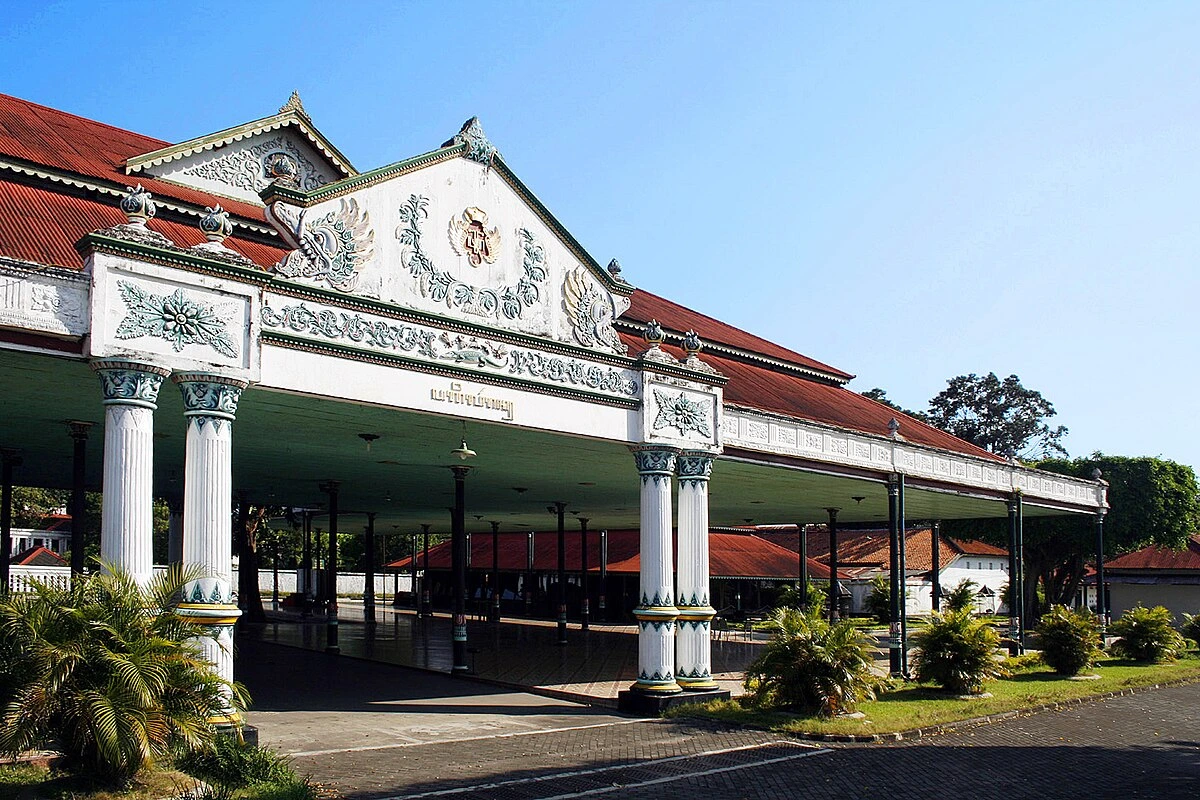
1. The Golden Pavilion (Bangsal Kencana) This is the centerpiece—an open-air pavilion used for coronations and royal ceremonies. Notice the intricate gold leaf painting on the teak wood. The openness symbolizes that the Sultan is accessible to his people, not hidden away behind stone walls.
2. The Cultural Performances If you arrive around 9:30 AM or 10:00 AM, you might be lucky enough to catch a live performance.
- Gamelan Music: A hypnotic, metallic orchestra that calms the mind.
- Wayang Kulit: Traditional shadow puppetry.
- Traditional Dance: Graceful, slow movements that require immense control.
3. The Batik Museum The Sultan’s family has curated a collection of royal Batik fabrics. Here, you learn that Batik is not just a pattern; every motif has a meaning. Some patterns were traditionally forbidden for commoners and reserved only for the King.
Practical Guide for International Visitors
Because the Sultan Palace is often at the top of the list of Things to Do Yogyakarta, it can get busy. To ensure your visit is smooth and respectful, keep these insider logistics in mind:
1. The Confusing Entrances This is the most common mistake travelers make. There are two entrances to the Kraton:
- The Main Entrance (Kebethen): Leads to the main courtyard and performance area. This is where you want to go.
- The Carriage Museum Entrance: Leads only to the horse carriages.
- Trevmi Tip: Make sure your driver drops you at the main gate near the clock tower to avoid buying the wrong ticket.
2. Dress Code This is a sacred space, not just a tourist attraction.
- Do: Wear clothes that cover your shoulders and knees.
- Don’t: Wear hats or sunglasses inside the pavilions (out of respect for the Sultan).
- Footwear: You will be walking on sand and tiled floors. Comfortable sandals are best—you will need to take them off frequently.
3. Best Time to Visit Go in the morning (between 8:30 AM and 11:00 AM). It is cooler, and the live cultural performances happen during these hours. By 1:00 PM, the palace closes to the public. This early closing time actually works well, as it leaves your afternoon open for other Things to Do Yogyakarta, such as shopping on Malioboro Street or heading north for a sunset adventure.
Combining Culture and Adventure
A visit to the Kraton usually takes about 1.5 to 2 hours. Because it ends early, many international travelers look for a contrasting experience for the afternoon.
Our Recommended Itinerary:
- Morning: Immerse yourself in Javanese culture at the Sultan Palace (Kraton) and the nearby Taman Sari Water Castle.
- Lunch: Try local Gudeg (jackfruit stew) for an authentic taste.
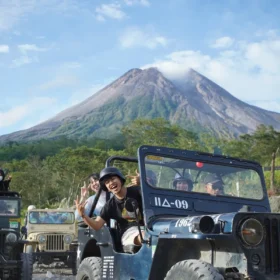
- Afternoon: Switch gears and head north for a Mount Merapi Lava Tour. Riding a Jeep through the volcanic landscape provides a thrilling contrast to the quiet etiquette of the Palace.
Read: Mount Merapi Lava Tour: Beyond the Adrenaline – An Honest Guide
Experience the Kraton with Trevmi Nusantara
You can visit the Kraton alone, read the signs, and take a few photos. But the real stories are hidden.
- Why are there sand floors in the courtyard?
- Why do the trees have checkered cloths around them?
- What is the Sultan’s role in modern politics?
As your Yogyakarta travel guide, Trevmi Nusantara provides storytellers, not just guides. We bridge the cultural gap, explaining complex Javanese philosophies in simple English so you don’t just see the palace, you understand it.
Final Thoughts The Sultan Palace is a quiet reminder that in a fast-paced world, tradition still matters. It invites you to be polite, to be patient, and to respect the unseen.
Let us help you step into the heart of Java. Contact Trevmi Nusantara to plan your cultural journey today.