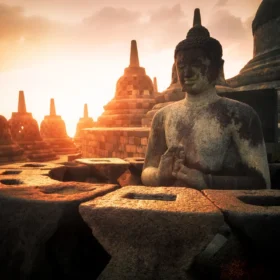
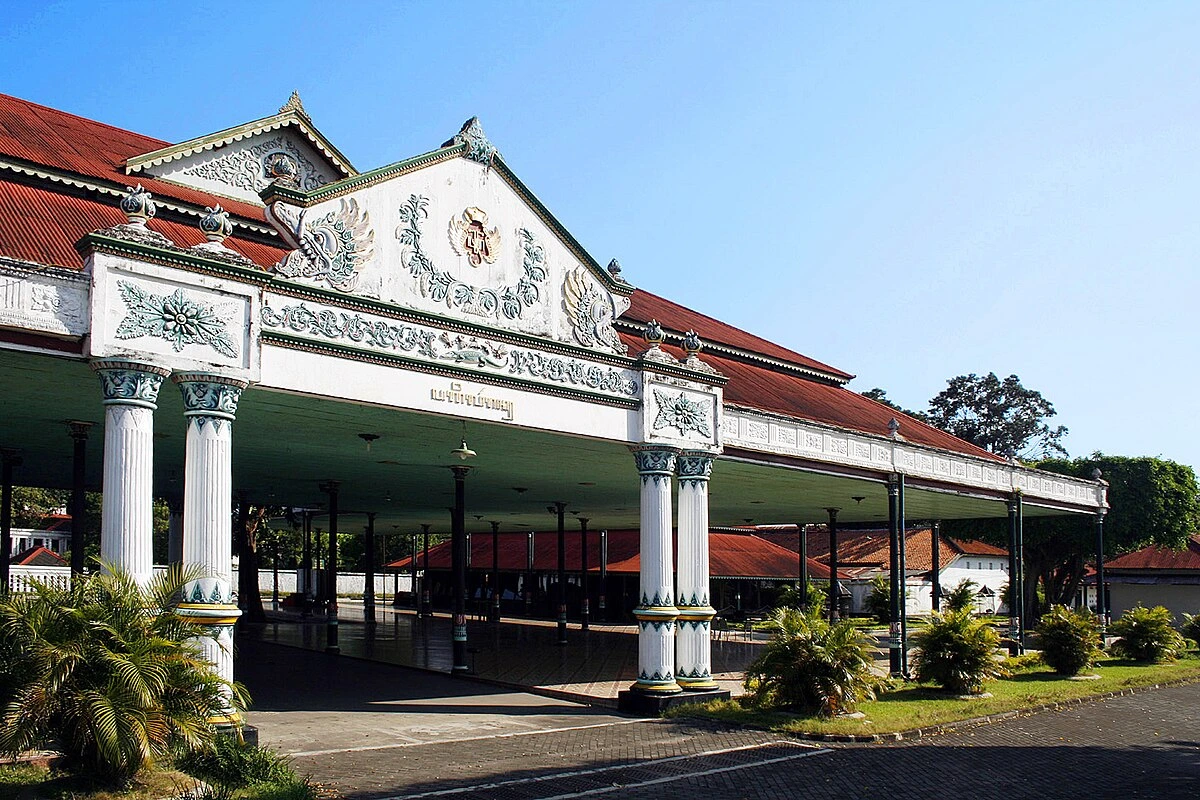
Yogyakarta Travel Guide – We know the feeling. You have booked the tickets. You have looked at the photos of Borobudur at sunrise. But as the departure date gets closer, a quiet question starts to nag at the back of your mind: Is it actually safe?
You might have heard stories about Indonesia in general, or perhaps you are just nervous about visiting a developing country for the first time. That anxiety is completely valid. Safety isn’t just about crime rates; it’s about how comfortable you feel walking down the street.
The short answer is: Yes, Yogyakarta is safe. In fact, it is often cited as one of the safest, most peaceful cities in Southeast Asia.
However, “safe” doesn’t mean “perfect.” To help you travel with confidence, we want to give you the real picture—the cultural context, the common annoyances, and the practical tips that only locals know.
The Cultural Context: Why It Feels Different Here
To understand why Travel Yogyakarta is safe, you have to understand the Javanese philosophy.
Yogyakarta is the soul of Java. The culture here is built on Sopan Santun (politeness) and Gotong Royong (mutual assistance).
- The Vibe: You will notice that drivers rarely honk aggressively. People speak softly.
- The Interaction: If you look lost, a local is more likely to walk up and help you than to mug you.
- The “Hello Mister”: You will hear this a lot. It is rarely a scam; it is usually just a friendly (if slightly repetitive) greeting from students or locals wanting to practice English.
Expert Insight: Violent crime against tourists is extremely rare. The local community is very protective of its reputation as a center of culture and education.
The Real Risks (and How to Avoid Them)
While you are unlikely to face danger, you might face annoyance. Being “Yogyakarta Safe” means being street-smart about these specific things:
1. Traffic: The Biggest Adventure
The scariest thing in Yogyakarta isn’t a person; it’s the traffic.
Motorbikes are everywhere. Sidewalks are often uneven or used for parking.
- How to Cross the Street: Do not run. Raise your hand in the air (the “Magic Hand”), make eye contact with the drivers, and walk at a steady, slow pace. The motorbikes will flow around you like water around a stone. If you hesitate or run, you confuse them.
2. The “Batik Exhibition” Scam
This is a classic. A friendly person on Malioboro Street might tell you a specific story: “Today is the last day of a student art exhibition,” or “The Batik center is closing soon.”
- The Reality: They want to take you to a shop that sells overpriced textiles.
- The Fix: Smile, say “No, thank you,” and keep walking. It’s not dangerous, just a tourist trap.
3. Nature: The Volcano Next Door
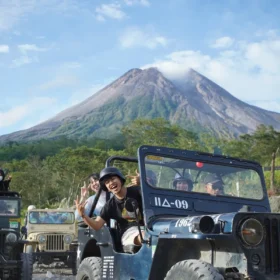
Yogyakarta sits near Mount Merapi, one of the world’s most active volcanoes.
- Is it safe? Yes, because it is strictly monitored. The government has a sophisticated early warning system.
- The Rule: Always follow local advice. If the “Lava Tour” operators say it’s safe to go, it’s safe. If they say the mountain is closed, respect it.
Is Yogyakarta Safe for Solo Female Travelers?
This is one of our most frequently asked questions.
Yogyakarta is incredibly popular with solo female backpackers. The harassment level here is significantly lower than in many other global tourist hubs. Catcalling exists but is usually limited to unmatched curiosity rather than aggression.
Tips for Women Travelers:
- Dress Modestly: You don’t need to cover your head, but covering your shoulders and knees (especially in villages or temples) earns you immense respect. It signals that you understand the culture.
- Night Safety: Walking alone at night on main streets like Malioboro is fine. However, quiet residential alleys can be dark. Using a ride-hailing app (Grab/Gojek) or a private driver is better than walking alone late at night.
Read: Navigating the City of Culture: How to Get Around Yogyakarta Like a Local
Health and Hygiene
Is the food safe? Yes, if you are smart.
- Water: Never drink tap water. Bottled water is cheap and available everywhere.
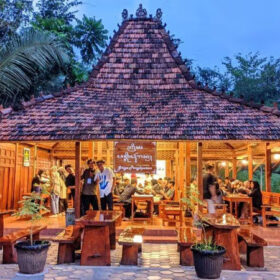
- Ice: In restaurants and cafes, ice is usually made from filtered water (look for the hole in the center of the ice cube—that usually means it’s factory-made).
- Street Food: Eat where the locals eat. High turnover means fresh food. If a stall is empty, skip it.
The Role of a Local Partner
While you can explore independently, many travelers find that their anxiety disappears when they have a local connection.
This is where Trevmi Nusantara steps in.
As your Yogyakarta travel guide, we act as your safety net.
- Trustworthy Transport: No haggling with unmetered taxis. Our drivers are vetted professionals.
- Communication: We bridge the language gap so you don’t get confused or overcharged.
- Emergency Support: If you get a stomach ache or leave your phone in a restaurant, you have a local friend to call.
Read: Luxury vs Friendly Budget Tour in Yogyakarta: Decoding the Best Value for You
Final Thoughts
So, is Yogyakarta safe?
Yes. It is a city that welcomes you with a shy smile and a cup of sweet tea.
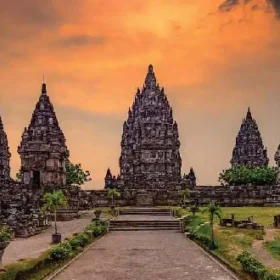
The risks here are manageable, and the rewards—the majestic temples, the warm people, the stunning sunrises—are immeasurable.
Don’t let fear stop you. With a little common sense and perhaps a trusted local guide like Trevmi Nusantara by your side, you will find that Yogyakarta feels less like a foreign city and more like a home you haven’t visited yet.
Ready to explore with confidence? Contact Trevmi Nusantara for a safe, seamless, and memorable journey.