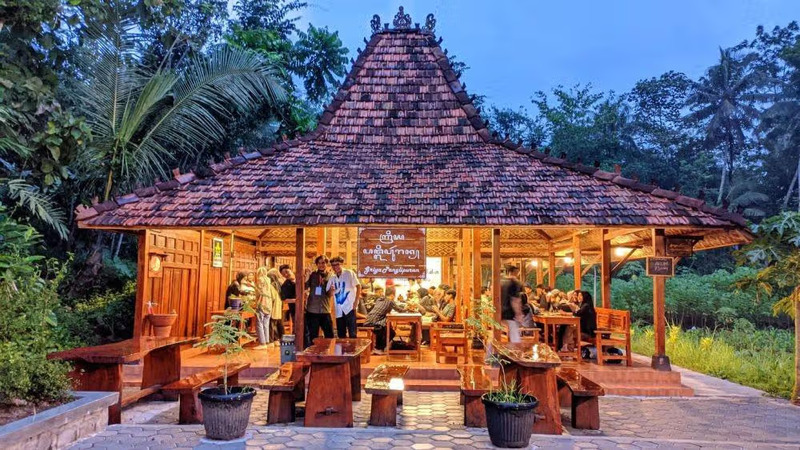
Yogyakarta Travel Guide – Arriving in Yogyakarta for the first time is a sensory experience. The air is warm, often scented with the faint aroma of clove cigarettes and street food, and the roads are a mesmerizing river of movement. Unlike the organized grid of New York or the metro systems of Tokyo, Yogyakarta moves to a rhythm that is distinctly Javanese fluid, organic, and a little chaotic at first glance.
For many international travelers, this charm comes with a practical puzzle: how do you actually get around Yogyakarta efficiently without getting lost or overheated?
The good news is that navigating this city is easier than it looks, once you understand how the local ecosystem works. It isn’t just about moving from point A to point B; it’s about choosing the right mode of transport for your energy levels and your itinerary.
Understanding the “Hub and Spoke” Geography
Before you decide on a vehicle, it helps to visualize the map. Yogyakarta Travel is unique because its attractions are split into two distinct categories: the city center and the outskirts.
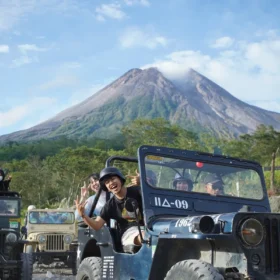
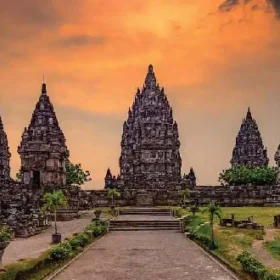
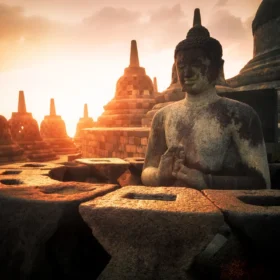
The city center where you find Malioboro Street, the Prawirotaman tourist district, and the Sultan’s Palace (Kraton) is compact and buzzing with life. However, the iconic landmarks that likely brought you here, such as the majestic Borobudur Temple, the towering Prambanan, and the active slopes of Mount Merapi, are located far outside the city limits. Borobudur, for instance, is a 90-minute drive northwest.
This geography means that the best way to get around Yogyakarta changes depending on whether you are exploring downtown or heading out for a day of history.
The Reality of Walking and Traditional Transport
In neighborhoods like Prawirotaman or the alleyways (gangs) off Malioboro, walking is a delightful way to soak in the atmosphere. You can spot street art, stumble upon hidden coffee shops, and greet locals. However, a word of advice from experience: the sidewalks can be uneven, and the tropical midday sun is unforgiving. Walking is best reserved for early mornings or cool evenings.
For short distances where walking feels too hot, you will see the iconic Becak (cycle rickshaw) or Andong (horse-drawn carriage). Riding a becak is less about efficiency and more about the experience—feeling the breeze as you roll slowly through the heritage districts. Just remember to agree on a price before you hop in; negotiation is part of the culture here.
The Convenience of Ride-Hailing Apps
For quick trips within the city say, from your hotel to a dinner spot or the Kraton technology is your best friend. Apps like Gojek and Grab are ubiquitous in Indonesia. They offer transparent pricing and eliminate the language barrier since you input your destination digitally.
Read: The Real Cost of Visiting Yogyakarta: A Transparent Budget Guide
You can choose a motorbike taxi (ojek) if you are solo and want to weave through traffic quickly, or a car for air-conditioned comfort. This is the most practical method for short, point-to-point city hops. However, relying on apps becomes tricky when you venture further afield. Finding a driver willing to take you all the way to a remote beach or picking you up from a temple at sunset can be difficult, often leading to long wait times or cancellations.
Why Private Drivers Are the Standard for Day Trips
This brings us to the most popular option for international visitors: hiring a private driver. When you plan to visit Borobudur, Prambanan, or the southern beaches, having a dedicated vehicle changes the entire dynamic of your day.
Unlike a taxi that drops you off and leaves, a private driver acts as a mobile basecamp. You can leave your backpack, extra shoes, and shopping in the car while you explore. You have a cool, air-conditioned sanctuary waiting for you the moment you finish climbing a temple stairs.
At Trevmi Nusantara, we often see relief on travelers’ faces when they realize they don’t have to navigate Google Maps or negotiate parking. A Yogyakarta travel guide or driver provides context to the chaos, explaining passing sights and ensuring you maximize your time at the destinations rather than stressing about the road.
A Note on Scooters and Buses
You might see backpackers zooming around on rented scooters. While this offers freedom, it requires a high degree of confidence and an international driving permit. Yogyakarta’s traffic flows like water—there are unwritten rules that take time to master. If you aren’t an experienced rider, the busy roads can be stressful.
Read: Is Yogyakarta Safe? An Honest Guide for First-Time Travelers
Similarly, while the Trans Jogja bus system is affordable and decent, it is designed for local commuters, not tourists. The routes can be confusing for first-timers, and stops aren’t always close to the tourist entrances of major sites.
Final Thoughts: Choosing Your Comfort Level
Ultimately, how you choose to get around Yogyakarta depends on your travel style. If you are staying in the city center for coffee and culture, walking and apps are perfect. But if you are here to witness the grandeur of Java’s ancient history and nature, a private driver offers a level of comfort and efficiency that transforms a tiring day into a seamless journey.
Yogyakarta is a city that invites you to slow down. By choosing the right transportation, you ensure that you aren’t just fighting traffic, but actually enjoying the ride.
Need help planning your logistics? Trevmi Nusantara is here to help you navigate Yogyakarta with ease and local insight.