

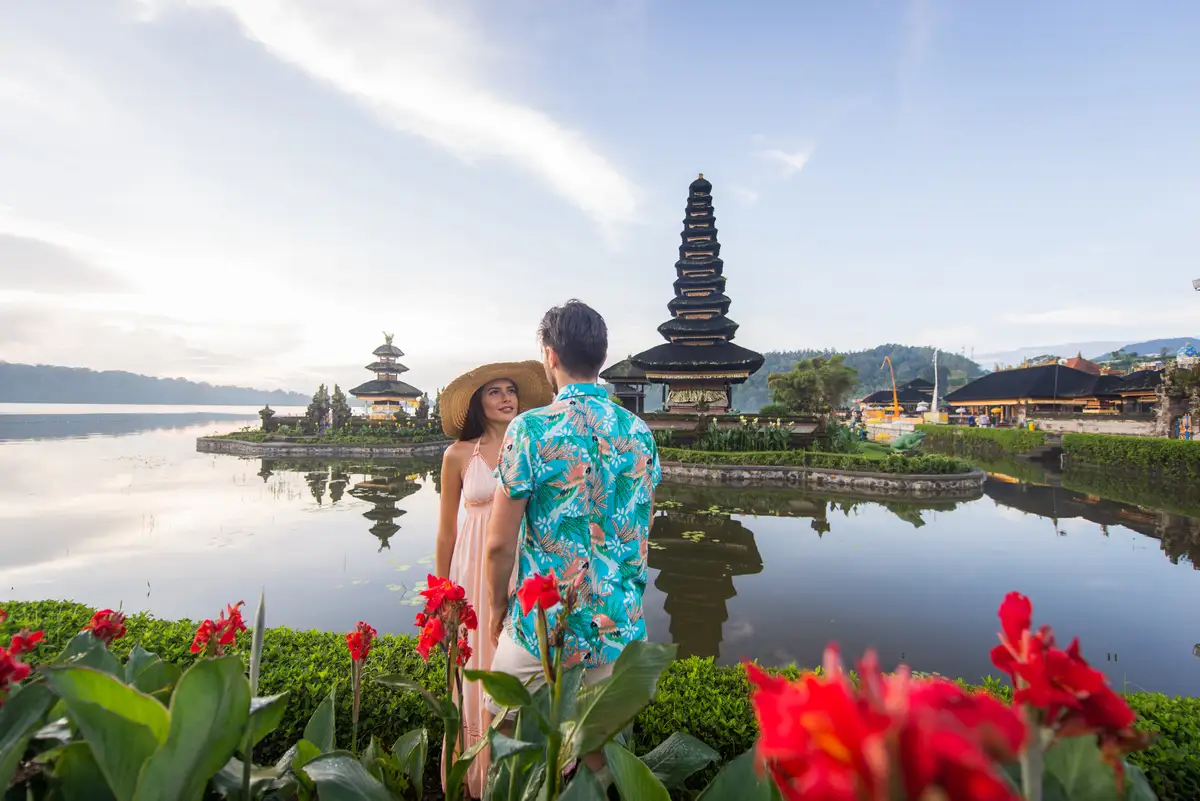
Yogyakarta Travel Guide – I still remember the feeling of leaving Bali’s golden shores. My skin was sun-kissed, and my mind was relaxed from days in Canggu. Yet, I felt a longing for something deeper and more historic. That is exactly when I decided to book a ticket to Central Java.
Moving from the festive atmosphere of Bali to the soulful quiet of Yogyakarta changes you. It offers a profound shift in perspective that every traveler needs. This guide outlines the perfect route to explore the heart of Javanese culture.
Why You Should Visit Yogyakarta After Bali
Bali offers incredible beaches and a vibrant nightlife scene. However, Yogyakarta provides the spiritual and historical context of Indonesia. It is the cradle of civilization on Java island. You will trade beach clubs for ancient stone temples. The energy here is grounded, quiet, and deeply respectful.
A Shift from Beaches to Heritage
The transition between these two destinations is striking. Bali focuses on nature and modern leisure. Yogyakarta focuses on human history and intricate craftsmanship. You will find yourself walking through living history museums.
The streets here tell stories of sultans and ancient mataram kingdoms. Every corner feels like a step back in time. It provides a necessary balance to your Indonesian adventure. Without it, you only see one side of the archipelago.
The Soul of Javanese Culture
Yogyakarta is often called the soul of Indonesia. It remains a special region ruled by a Sultan. This political status preserves traditions that have faded elsewhere. You will see authentic Batik making and Gamelan performances daily.
Traveler Note: The locals here are incredibly polite and soft-spoken. It is customary to smile and slightly bow when passing older people. This simple gesture opens many doors.
The philosophy of life here revolves around harmony and respect. It is a slower pace than the chaotic traffic of Kuta. You learn to appreciate the silence between the sounds.
How to Travel from Bali to Yogyakarta
Getting across the strait to Java is easier than you might think. You have options ranging from rapid flights to scenic overland journeys. I have tried them all, and each has its own charm. Your choice depends on your time and spirit of adventure.
By Plane: The Quickest Route
Flying is the most efficient method for short trips. Flights depart daily from Ngurah Rai Airport to Yogyakarta International Airport (YIA). The flight time is approximately one hour and twenty minutes. It saves you an entire day of travel.
Ticket prices remain affordable if you book in advance. Several local carriers operate this route frequently. Once you land, a train connects the airport to the city center. It is seamless, modern, and very comfortable.
By Bus and Ferry: The Adventurous Overland Route
This option is for those who love slow travel. You take a bus from Bali to the port of Gilimanuk. From there, a ferry crosses to Ketapang in East Java. The journey continues by bus through rural landscapes.
It is a long haul, often taking 15 to 18 hours. However, you see the changing geography of the islands. It is cheaper but requires patience and endurance. I recommend this only if you have ample time.
Exploring Java by Train
If you are already in East Java, take the train. The rail system in Java is excellent and scenic. You can travel from Banyuwangi or Surabaya directly to Yogyakarta. The executive class trains are air-conditioned and comfortable.
The views of rice paddies and volcanoes are unmatched. You see the countryside without the stress of driving. It is a legitimate cultural experience in itself. Book your tickets a few weeks early via official apps.
| Mode of Transport | Duration | Comfort Level | Best For |
| Plane | 1.5 Hours | High | Time-savers |
| Bus + Ferry | 15+ Hours | Low/Medium | Budget backpackers |
| Train | 4-6 Hours (from East Java) | High | Scenic route lovers |
The Perfect 5-Day Bali to Yogyakarta Itinerary
This itinerary blends major sights with hidden gems. It is designed to maximize your time without rushing. I have used this exact schedule for friends visiting Indonesia. It ensures you see the best of Central Java.
Day 1: Arrival and Malioboro Street
Arrive in the afternoon and settle into your hotel. Choose accommodation near the Kraton or Prawirotaman area. These neighborhoods are central and full of character. Freshen up and head out for an evening walk.
Make your way to the famous Malioboro Street. It is the beating heart of the city’s commerce. You will find horse carts, street food, and endless batik shops. It is loud, busy, and incredibly fun.
Try “Lesehan” dining for dinner on the sidewalk. You sit on mats and eat local dishes by candlelight. Try the Gudeg, a sweet jackfruit stew. It is the signature taste of the city.
Day 2: Sunrise at Borobudur and Village Tours
Wake up well before dawn for the Borobudur experience. This 9th-century temple is the largest Buddhist structure in the world. Watching the sun rise over the stupas is spiritual. The mist lifts to reveal Mount Merapi in the distance.
Pro Tip: Buy the “Temple Structure” ticket in advance. This allows you to climb to the top levels. General admission only grants access to the park grounds.
After the temple, visit the surrounding Candirejo village. You can rent a bicycle or take a horse cart. See how locals make cassava chips and play traditional instruments. It grounds the grandeur of the temple in local reality.
Day 3: The Royal Palace and Prambanan Sunset
Dedicate your morning to the Kraton Yogyakarta. This is the Sultan’s palace and living residence. Guides here are often royal retainers wearing traditional dress. They explain the complex symbolism of Javanese architecture.
In the afternoon, head east to the Prambanan Temple compounds. This massive Hindu complex contrasts sharply with Borobudur. The towering spires are dedicated to Shiva, Vishnu, and Brahma. It is a masterpiece of stone carving.
Stay until the evening for the Ramayana Ballet. This performance happens with the illuminated temple as a backdrop. Hundreds of dancers reenact an ancient epic. It is a visual spectacle you cannot miss.
Day 4: Natural Wonders and Merapi Lava Tour
Take a break from history to see nature’s power. Head north to the slopes of Mount Merapi. This is one of the most active volcanoes on earth. Take a Jeep tour through the lava fields.
You will see the path of previous eruptions. The landscape is stark, grey, and fascinating. Drivers will take you to the “Alien Stone” and a local museum. It is a humbling reminder of nature’s force.
Finish the day at Ullen Sentalu Museum. It is located in the cool highlands of Kaliurang. The museum displays royal artifacts in a lush garden setting. It is widely considered the best museum in Indonesia.
Day 5: Culinary Hunt and Departure
Spend your final morning hunting for souvenirs. Beringharjo Market is the best place for affordable batik. You can also find spices and traditional herbal jams. Bargaining is expected and part of the fun.
For lunch, try Sate Klatak. These form of goat satay is cooked on bicycle spokes. It is a unique dish found only in this region. The meat is tender and simply seasoned with salt.
Read:
Head to the airport or train station with a full heart. You have experienced the contrast of the Bali to Yogyakarta itinerary. You are leaving with a deeper understanding of Indonesia.
Essential Travel Tips for Java
Traveling in Java requires slightly different preparation than Bali. The culture is more conservative and traditional. Being aware of these nuances improves your experience. Locals appreciate travelers who respect their customs.
Read: The Ultimate Guide: Traversing from the Island of Gods to the Soul of Java
Best Time to Visit
The dry season is the ideal window for travel. This runs from April to October. You get clear skies for sunrise tours. The volcanoes are also more visible during these months.
Avoid the peak rainy season in January and February. Heavy rains can hinder outdoor exploration. However, the shoulder months offer lush green landscapes. Just pack a sturdy raincoat and flexible shoes.
Cultural Etiquette and Dress Code
Java is predominantly Muslim, unlike Hindu Bali. Modesty is highly valued in public spaces. Wear clothes that cover your shoulders and knees. This is mandatory when entering religious sites.
Read: What to Wear in Yogyakarta: A Guide to Comfort, Culture, and Confidence
Public displays of affection should be kept minimal. It is considered polite to use your right hand for everything. This applies to eating, paying, or shaking hands. These small details show you respect the local way of life.
Cost Comparison: Bali vs Yogyakarta
Your wallet will thank you for this trip. Yogyakarta is significantly more affordable than popular Bali hubs. Accommodation prices are often 30% lower for similar quality. Food costs are drastically cheaper, especially street food.
Entry fees for major temples are the biggest expense. However, daily living costs are very low. You can enjoy a luxury experience for a mid-range price. This makes it perfect for longer stays.
- Meal in a restaurant: $3 – $7 USD
- Street Food: $1 – $2 USD
- 4-Star Hotel: $40 – $60 USD per night
- Jeep Tour: $25 – $35 USD per Jeep
Conclusion
Completing a Bali to Yogyakarta itinerary is the best decision for culture lovers. You move from the relaxation of the beach to the rich history of the courts. It provides a holistic view of the Indonesian archipelago. The ancient temples of Borobudur and Prambanan will stay in your memory forever.
If you Visit Yogyakarta After Bali, you gain more than just photos. You gain an appreciation for the deep roots of Javanese civilization. The people, the food, and the history create a unique atmosphere. Start planning your overland adventure today; the soul of Java is waiting for you.
Would you like me to help you create a packing list specifically for the temples and volcanic hikes mentioned in this itinerary?
