

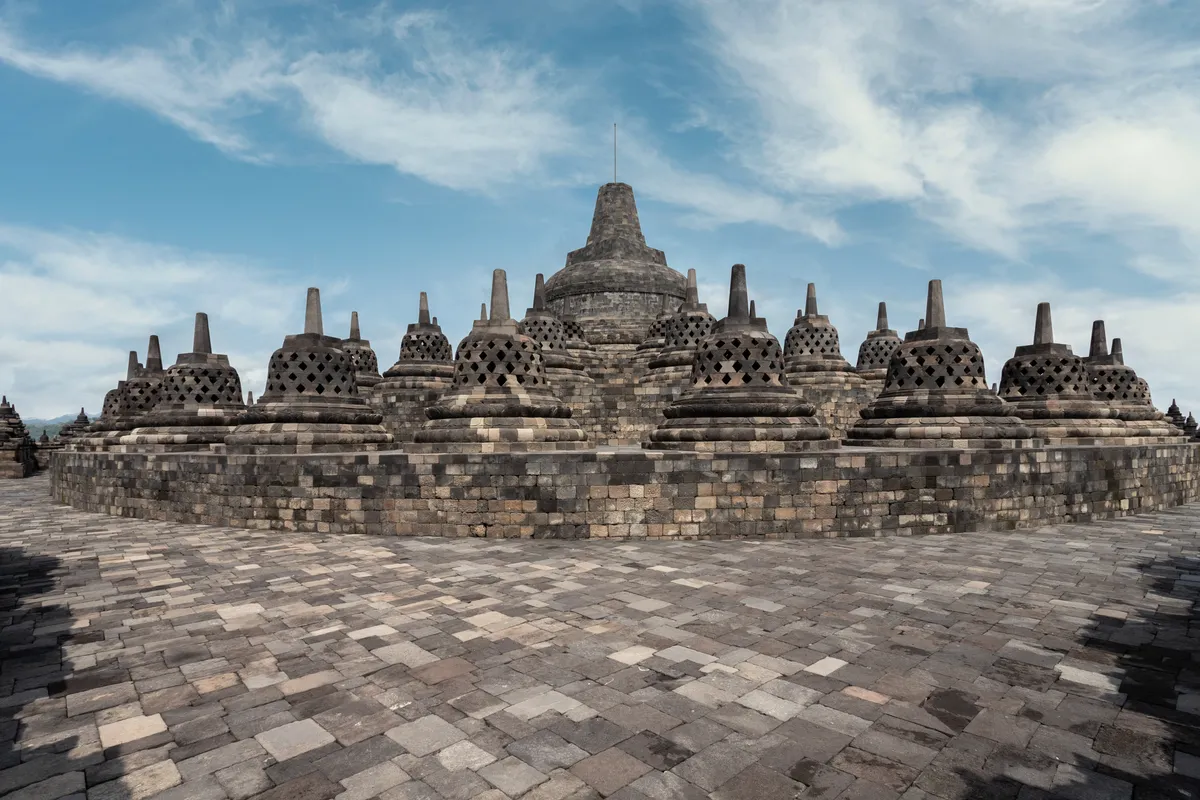
Yogyakarta Travel Guide – Deciding on the best time to visit Yogyakarta is often the first step in planning your Indonesian adventure, and honestly, it can be a bit confusing. You look at weather apps, and they just show “thunderstorms” every day (which is rarely true!). You read about the heat, the crowds, and the rain, and you wonder: When will I actually enjoy it the most?
At Trevmi Nusantara, we believe there is no “wrong” time to visit Jogja, but there is definitely a “right” time for your specific travel style. Whether you are chasing the perfect sunrise photo or looking for quiet reflection away from the crowds, understanding the seasons is key.
This guide is written for international travelers to help you plan not just for the weather, but for the experience.
Understanding the Tropical Reality
Before looking at the calendar, it is important to understand the climate context. Yogyakarta is tropical, humid, and generally hot.
- Temperature: Expect 28°C–32°C (82°F–90°F) year-round.
- Humidity: This is the real factor. It can make the heat feel heavier.
- The Rule of Thumb: Early mornings are your best friend, regardless of the season.
The Dry Season (April – October)
The Photographer’s Dream
For most first-time visitors, the dry season is considered the optimal time. The skies are blue, the humidity is slightly lower, and the majestic Mount Merapi is often clearly visible from the city.
Why choose this season?
- Temple Views: If you are booking a Borobudur Prambanan tour, this is the safest bet for clear sunrise views. The sun rising between the stupas is crisp and golden.
- Reliability: You can plan outdoor activities, like the Merapi Lava Tour or a trip to Timang Beach without worrying about sudden showers.
The Trade-off:
- Peak Season (July & August): This is European summer holiday time. The city buzzes with energy, but popular sites can get crowded. If you visit during these months, we recommend starting your days very early.
The Rainy Season (November – March)
The Romantic & Green Season
Don’t let the name scare you. “Rainy season” in Yogyakarta rarely means all-day monsoons. Typically, the mornings are clear and sunny, with heavy but short refreshing downpours in the late afternoon.
Why choose this season?
- Atmosphere: The countryside turns a vibrant, lush green.
- Serenity: The crowds disappear. A Borobudur Prambanan tour during this time feels mystical; seeing the temples shrouded in mist is a hauntingly beautiful experience that many photographers actually prefer.
- Value: Accommodation prices often drop, and you have more breathing room at popular sites.
The Trade-off:
- Flexibility is required. You might need to swap a beach day for a museum visit if the rain lingers.
Month-by-Month Breakdown
- April – June (Shoulder Season): Highly Recommended. The rain is fading, everything is green, and the peak crowds haven’t arrived yet.
- July – August (High Season): Perfect weather, but busy. Book your Borobudur Prambanan tour and hotels well in advance.
- September – October: Excellent. The driest months. Great for hiking and outdoor adventure.
- November – March: The wet months. Expect afternoon showers. December is busy with domestic tourists for the holidays.
Planning Around Cultural Events
Yogyakarta is the cultural heart of Java, and timing your trip around festivals can be deeply rewarding.
- Waisak (Vesak Day) – Usually May/June: Thousands of Buddhists gather at Borobudur. The night culminates with the release of thousands of lanterns into the sky. It is magical, but be aware that access to the temple is restricted for the ceremony.
- Ramadan & Eid: As a Muslim-majority country, the fasting month (Ramadan) changes the rhythm of the city. Restaurants may have curtains on windows during the day, and the call to prayer is more frequent. It is a time of spiritual reflection, but traffic can be heavy during the Eid holiday (Lebaran).
How Seasonality Affects Your Tour
The success of your trip depends on how you adapt to the season.
- During Dry Season: We prioritize sunrise tours and outdoor adventures. We focus on beating the heat.
- During Rainy Season: We design flexible itineraries. We might schedule your Borobudur Prambanan tour for the morning and reserve the afternoon for indoor activities like a Batik workshop or visiting the Sultan’s Palace.
Read: The Perfect 3- 5 Days Yogyakarta Itinerary: A Guide for International Travelers
Travel with Confidence with Trevmi Nusantara
Many international travelers worry about making a “mistake” with their dates. In reality, the success of a trip is less about the weather and more about the planning.
At Trevmi Nusantara, we act as your local partners. We monitor the weather patterns and crowd movements daily.
- If it rained heavily last night, we know which waterfall is too muddy to visit.
- If it’s a public holiday, we know which backroads to take to avoid traffic.
Final Thoughts Whether you visit during the golden dry season or the lush green rainy season, Yogyakarta has a way of enchanting you. It is a city of warm smiles and ancient stones that look magnificent in any weather.
Let us help you plan the perfect timing for your journey. Contact Trevmi Nusantara to discuss your travel dates today.
