

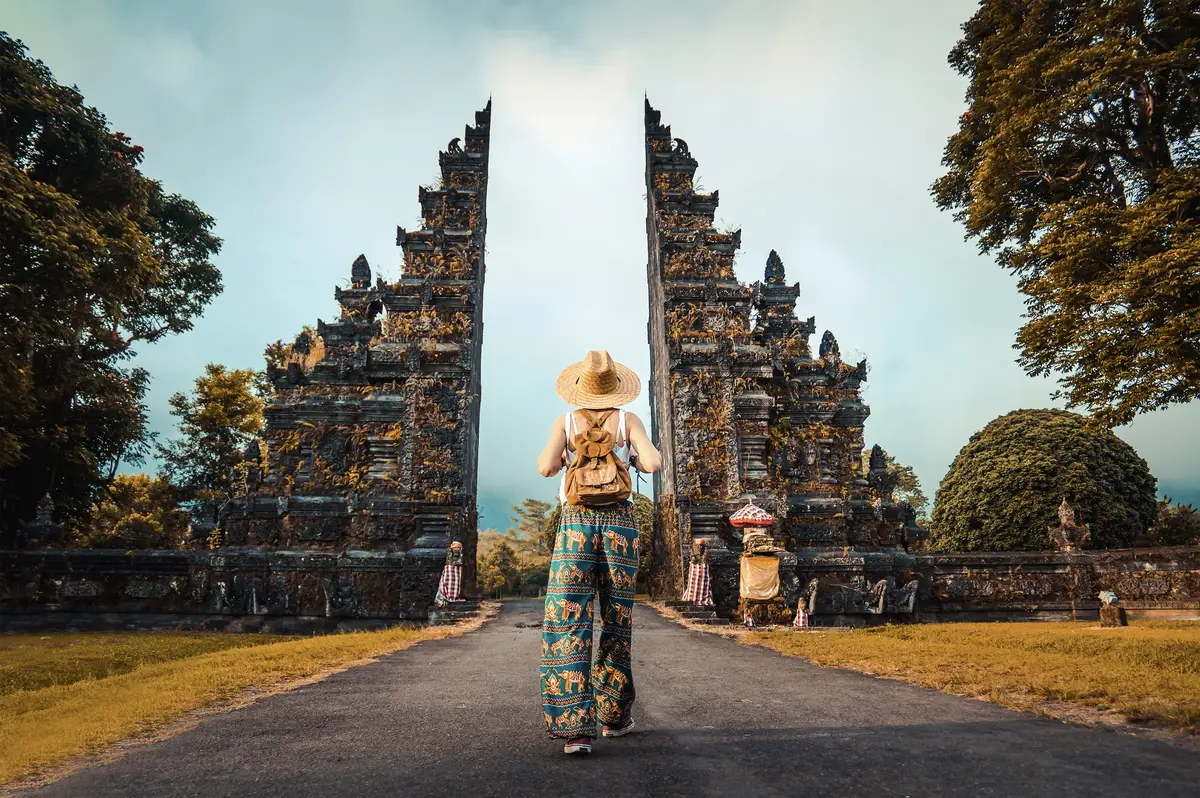
Yogyakarta Travel Guide – Transitioning from the festive energy of Bali to the serene heart of Java changes you. The moment you arrive in Yogyakarta, the atmosphere shifts from hedonistic to historic. While Bali offers world-class leisure, this city provides a profound connection to Indonesia’s roots. It is the custodian of Javanese wisdom, art, and royal tradition.
Embarking on a Yogyakarta cultural tour is necessary for understanding the archipelago’s true diversity. You trade surfboards for batik cantings and beach clubs for ancient stone temples. The pace here is slower, driven by a philosophy of harmony and respect. It offers the perfect cultural counterweight to your tropical island vacation.
The Soul of Java: Understanding the Contrast
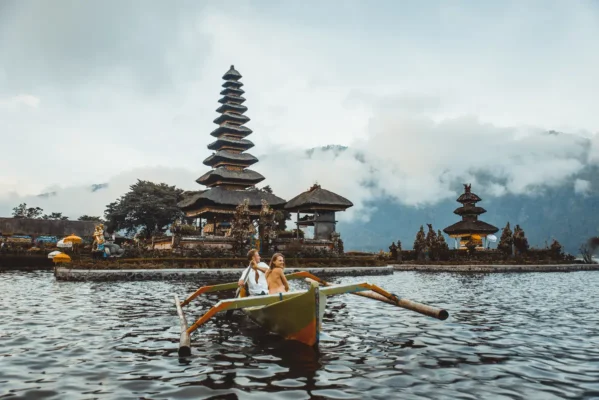
Bali is predominantly Hindu, vibrant, and visually expressive in its daily offerings. Yogyakarta, while historically Hindu-Buddhist, is now the center of Islamic Mataram culture. This blend creates a unique syncretism found nowhere else in the world. You feel this difference immediately in the architecture and the quiet demeanor of locals.
From Beach Clubs to Royal Courts
The energy in Yogyakarta is grounded, contrasting sharply with the buoyancy of Seminyak. Here, life revolves around the Kraton, the Sultan’s active palace. The city layout itself reflects ancient cosmological beliefs connecting the volcano to the sea. Walking these streets feels like stepping into a living, breathing history book.
You will notice that traditional dress is not just a costume here. Locals wear batik shirts and blangkon hats as part of daily life. It signifies a deep pride in their identity that resists modern homogeneity. This authenticity is what makes the journey from Bali so rewarding.
The Philosophy of Nrimo: Slowing Down
Javanese culture is built on the concept of Nrimo, or accepting life with grace. This philosophy dictates the unhurried pace of service and conversation you will encounter. It teaches patience and the importance of maintaining social harmony above all else. Rushing through your itinerary here is simply missing the point.
Traveler Note: Do not mistake the slow pace for laziness or inefficiency. It is a deliberate cultural choice to remain mindful and polite.
Embracing this slower rhythm allows you to see details you might otherwise miss. You begin to appreciate the intricate carvings on a wooden door frame. You hear the soft melody of a gamelan orchestra drifting from a village hall. It is a lesson in mindfulness that stays with you long after.
Royal Heritage: Inside the Sultan’s Palace
The Kraton is not merely a museum; it remains the political heart of the region. The Sultan of Yogyakarta still serves as the active governor of the province. This unique status preserves traditions that have faded in other parts of Indonesia. A visit here is the cornerstone of any cultural exploration.
Walking Through Living History at the Kraton
Entering the palace grounds, you are transported back to the 18th century. You will see the Abdi Dalem, or royal retainers, sitting quietly on the floors. They wear traditional Javanese attire and serve the Sultan out of pure devotion. Their presence adds a human element to the grand architecture.
The museum sections display royal artifacts, from crystal carriages to ancient weapons. However, the real attraction is the architecture itself, filled with symbolic meaning. Every pavilion faces a specific direction to align with spiritual forces. It is a masterclass in Javanese spatial philosophy.
The Water Castle (Taman Sari): Secrets of the Past
Just a short walk west of the Kraton lies the enchanting Taman Sari. This was once the royal pleasure garden and bathing complex for the Sultan. It is a labyrinth of underground mosques, secret tunnels, and blue pools. The architecture blends Javanese, Portuguese, and Dutch influences seamlessly.
Exploring the underground Sumur Gumuling mosque is a hauntingly beautiful experience. The acoustics in the central staircase are designed for the call to prayer. It highlights the spiritual depth that underpins the royal lifestyle. Photographers will find endless inspiration in the interplay of light and shadow.
Spiritual Giants: Borobudur and Prambanan
No trip to Java is complete without witnessing its two UNESCO World Heritage sites. These massive stone structures represent the peak of ancient Indonesian civilization. They stand as testaments to a time when Hinduism and Buddhism coexisted peacefully. Seeing them in person is far more moving than any photograph.
Sunrise at Borobudur: A Buddhist Pilgrimage
Borobudur is the largest Buddhist temple in the world, built in the 9th century. The structure is designed as a mandala, guiding pilgrims toward enlightenment. Climbing the levels represents ascending from the world of desire to formlessness. The intricate relief panels tell stories of everyday life a millennium ago.
Pro Tip: Purchase the special sunrise ticket via the Manohara Hotel entrance. This grants access before the general public floods the gates.
Watching the sun rise over the Kedu Plain from the top tier is magical. The stone stupas are silhouetted against the mist-covered volcano, Mount Merapi. It is a moment of pure silence and spiritual magnitude. You feel small in the best possible way.
The Hindu Masterpiece: Prambanan at Sunset
In the afternoon, travel east to the towering Hindu complex of Prambanan. Dedicated to Shiva, this site contrasts sharply with the horizontal bulk of Borobudur. The central spire rises 47 meters high, jagged and imposing against the sky. It is a masterpiece of vertical architecture and stone carving.
The reliefs here tell the epic story of the Ramayana in immense detail. Walking around the galleries gives you a visual education in Hindu mythology. The preservation of these carvings is remarkable considering the region’s earthquakes. It showcases the resilience of Javanese engineering.
The Art of Batik and Silver
Art in Yogyakarta is not a hobby; it is a way of life. The city is world-renowned for its fine craftsmanship in textiles and metallurgy. You should not just buy souvenirs; you should witness their creation. Engaging with artisans is a key part of your Yogyakarta cultural tour.
Creating Your Own Batik in Giriloyo
Skip the mass-market shops and head to the village of Giriloyo. This area is the authentic heart of hand-drawn batik, known as Batik Tulis. Here, you can sit with local women and learn to use the canting. This tool holds hot wax used to draw intricate patterns on cloth.
The process is meditative, requiring a steady hand and immense patience. You quickly realize why authentic batik commands such a high price. The women often sing or chat while working, creating a communal atmosphere. It is a beautiful exchange of skill and culture.
The Silver Smiths of Kotagede
Kotagede is the historic capital of the Mataram Kingdom and the hub of silver. The streets are lined with workshops producing filigree silver jewelry. This technique involves twisting fine silver wires into delicate, lace-like shapes. It requires incredible eyesight and dexterity to master.
You can watch artisans soldering tiny pieces together to create brooches or bowls. Many workshops offer short courses where you can make a ring. It provides a tangible connection to the city’s history of trade and luxury. You leave with a piece of art you helped create.
Performing Arts: The Ramayana Ballet
Javanese culture relies heavily on storytelling to pass down moral values and history. The most spectacular form of this is the Ramayana Ballet performance. It combines dance, drama, and gamelan music without spoken dialogue. It is a visual feast that transcends language barriers.
An Epic Tale Under the Moonlight
The best place to watch this is at the open-air theater in Prambanan. The illuminated temples serve as a dramatic backdrop for the dancers. Hundreds of performers in dazzling costumes reenact the abduction of Shinta. The dynamic movement and fire displays are captivating.
The Gamelan orchestra provides a hypnotic, percussive soundtrack that drives the narrative. The synchronization between the dancers and the music is flawless. It brings the stone reliefs you saw earlier to vibrant life. It is the perfect conclusion to a day of history.
Culinary Culture: Tasting History
Food in Yogyakarta is distinctively sweet, contrasting with the spicy profiles of Bali. It reflects the abundance of sugar cane production in the colonial era. Eating here is communal, affordable, and deeply rooted in tradition. You must eat like a local to understand the culture.
Gudeg: The Sweet Taste of Java
Gudeg is the iconic dish of the city, made from young jackfruit. It is slow-cooked for hours with palm sugar and coconut milk. The result is a tender, sweet stew usually served with chicken and egg. It is often eaten with krecek, a spicy cattle skin stew.
| Component | Flavor Profile | Texture |
| Gudeg | Sweet, Savory | Soft, fibrous |
| Krecek | Spicy, Salty | Chewy, soft |
| Opor Ayam | Savory, Creamy | Tender meat |
Street Food Culture and Angkringan
The true social hub of Yogyakarta is the Angkringan. These are simple pushcarts serving “cat rice” (small portions) and charcoal coffee. People from all social classes sit together on mats to eat and talk. It is where the community connects and debates until late at night.
Read: Borobudur Sunrise Tour: A Must-Do After Bali
Ordering Kopi Joss is an essential experience at these stalls. The vendor drops a piece of red-hot charcoal directly into your glass. It sizzles loudly and imparts a unique, smoky caramel flavor. It is the signature drink of the Yogyakarta night scene.
Practical Tips for Your Cultural Journey
Navigating Java requires a different etiquette than the tourist bubbles of Bali. The culture is more conservative, and modesty is highly valued. Showing respect for these norms opens doors to genuine interactions. Locals appreciate travelers who make an effort to adapt.
Dress Codes and Etiquette
When visiting the Kraton or temples, cover your shoulders and knees. This applies to both men and women without exception. A simple sarong or light scarf is a versatile travel essential here. Public displays of affection should be kept to a minimum.
Read: From Beaches to Temples: The Ultimate 3-Day Java Escape
Always use your right hand when passing money or food to someone. The left hand is considered unclean in traditional Javanese culture. A small bow and a smile go a long way. These small gestures show you respect their way of life.
Kesimpulan
A Yogyakarta cultural tour offers a transformative experience that complements your time in Bali. You gain insight into the deep spiritual and historical roots of Indonesia. From the silent majesty of Borobudur to the bustling Angkringan, the contrast is enriching. This journey proves that Java is not just a stopover, but a destination.
By immersing yourself in the art, history, and food, you honor the local wisdom. You leave with more than photos; you leave with a wider perspective. The “Soul of Java” is not a slogan; it is a feeling you carry home. Plan your cultural escape today and witness the legacy of kings.
