

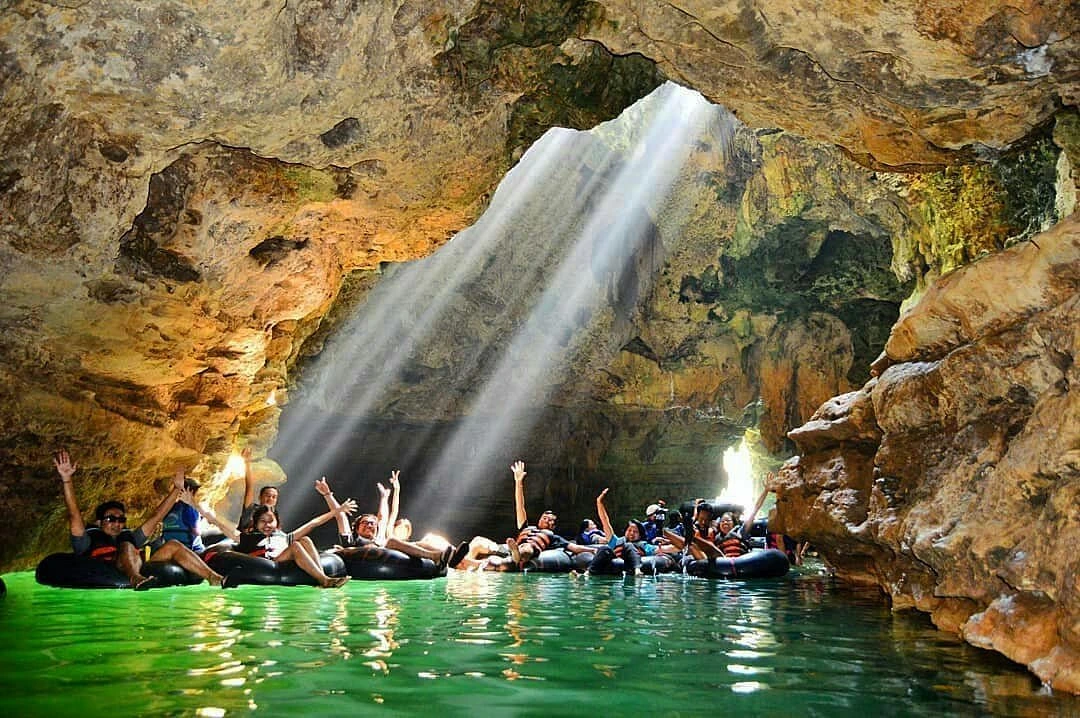
Yogyakarta Travel Guide – Leaving the golden sands of Bali is often a bittersweet experience for many travelers. You grow accustomed to the rhythmic sound of the waves and the vibrant nightlife. However, the allure of Central Java offers a different kind of magic that is undeniable. It promises a journey into the ancient soul of Indonesia, far from the beach clubs.
The transition from the Island of Gods to the cultural heartland changes your perspective entirely. You trade surfboards for history books and sunsets for misty sunrises over stone temples. This comprehensive Bali to Yogyakarta travel guide is designed to help you navigate this specific journey. I have compiled the best routes and tips to ensure a seamless adventure.
Why Make the Journey from Island to Island?
Traveling between these two destinations offers a complete picture of the Indonesian archipelago’s diversity. Bali showcases the beauty of Hindu Dharma in a lush, tropical island setting. In contrast, Yogyakarta reveals the deep roots of Javanese civilization and courtly refinement. Seeing both places allows you to understand the complex tapestry of this nation’s history.
The Cultural Shift: Hindu Dharma to Javanese Heritage
Upon arriving in Java, you will immediately notice a shift in the local atmosphere. The air feels quieter, and the pace of life is significantly more deliberate. While Bali is expressive and outwardly colorful with its daily offerings, Java is introspective. The culture here is built on subtle gestures, soft-spoken language, and ancient traditions.
You will swap the view of family temples for the grandeur of the Sultan’s palace. The streets of Yogyakarta are lined with colonial architecture mixed with traditional Javanese structures. It creates a visual narrative that is distinct from the villages of Ubud. This contrast is the primary reason why this journey is so rewarding.
A Change of Pace: From Party to Peace
Bali is world-famous for its energetic beach clubs and bustling tourist hubs like Seminyak. It is a place where you can dance until dawn and sleep until noon. Yogyakarta offers a stark alternative that focuses on early mornings and heritage sites. The city wakes up before the sun, driven by markets and prayers.
Traveler Note: Embrace the slow morning routine here to sync with the locals. Try drinking warm tea and eating street food as the city wakes up.
This change of pace is excellent for travelers seeking a mental detox after partying. You find yourself walking through quiet museums or sitting in calm ancient compounds. It allows you to process your travels and connect with the environment deeply. It is a necessary balance to the high energy of the south.
Transportation Options: How to Get There
Connecting these two major tourist hubs is easier than it was a decade ago. You have multiple options ranging from rapid flights to scenic overland adventures. Your choice depends entirely on your budget, time constraints, and travel style. I have experienced each method, and they all offer unique perspectives on the country.
Taking to the Skies: The Quickest Route
Flying is undoubtedly the most efficient way to maximize your time in Central Java. Daily flights connect Ngurah Rai Airport in Denpasar to Yogyakarta International Airport (YIA). The flight time is approximately one hour and twenty minutes, saving you a full day. Airlines like AirAsia, Lion Air, and Citilink operate this route frequently.
Upon landing at the new YIA airport, you are about an hour from the city. The airport train is a fantastic, modern service that whisks you downtown quickly. It is affordable, air-conditioned, and avoids the unpredictable traffic on the main highway. This is the best option for those on a tight schedule.
The Overland Adventure: Bus and Ferry
For the budget-conscious backpacker, the bus is a classic rite of passage in Indonesia. You depart from the Mengwi terminal in Bali and head west to the Gilimanuk port. The bus drives onto the ferry, crossing the Bali Strait to reach East Java. From there, it is a long drive across the island to Yogyakarta.
This journey can take anywhere from fifteen to eighteen hours depending on traffic conditions. It is grueling but offers a raw look at the changing landscapes of rural Indonesia. You see teak forests, coastal villages, and rice paddies that flyers miss completely. Ensure you book an “Executive” class bus for reclining seats and legroom.
The Scenic Route: Java Train Travel
My personal recommendation is to combine the ferry crossing with a train ride. Cross from Bali to Banyuwangi independently, then board the train at Ketapang Station. The rail network in Java is excellent, clean, safe, and surprisingly punctual. You can take the Wijaya Kusuma or Sri Tanjung train directly to Yogyakarta.
| Transport Mode | Duration | Cost | Comfort Level |
| Flight | 1.5 Hours | High | High |
| Bus | 16+ Hours | Low | Low/Medium |
| Train Combo | 12 Hours | Medium | High |
The views from the train window are some of the best in Southeast Asia. You glide past volcanoes, emerald green rice terraces, and small colonial stations. It turns the travel day into a sightseeing experience rather than just a commute. Book your tickets weeks in advance via the KAI Access app.
Essential Stops Along the Way
If you choose the overland route, do not rush directly to the final destination. East Java holds two of the most spectacular natural wonders in the entire country. Breaking up the long journey with these stops turns a transfer into an adventure. It transforms a simple transit into an unforgettable overland travel Java experience.
Ijen Crater: The Blue Fire Phenomenon
Located near the ferry port in Banyuwangi, the Ijen Crater is a must-see. It is famous for its electric blue fire that is visible only before dawn. Hikers trek up the volcano in the middle of the night to witness this. It is a surreal, alien landscape that feels like another planet.
You will also see sulfur miners carrying heavy loads up and down the steep crater. Their resilience is humbling and adds a human element to the natural beauty. The turquoise acid lake inside the crater is the largest of its kind globally. It is a stunning visual reward after a steep, dark climb.
Mount Bromo: Sunrise Over the Sea of Sand
Further west lies the iconic Mount Bromo, an active volcano inside a massive caldera. The landscape is often described as a “Sea of Sand” surrounded by towering cliffs. Most travelers take a Jeep tour to a viewpoint to watch the sunrise. Seeing the sun illuminate the smoking crater is a bucket-list moment.
The cool mountain air here is a refreshing break from the tropical heat of the lowlands. You can walk across the sand sea and climb the stairs to the crater rim. The roar of the volcano is audible, reminding you of the earth’s power. It is an essential stop before reaching the civilization of Yogyakarta.
Planning Your Yogyakarta Itinerary
Once you arrive in the city, you need a plan to tackle the sights efficiently. Yogyakarta is spread out, and traffic can be heavy during peak hours. Prioritizing the major heritage sites ensures you do not miss the cultural highlights. This section outlines the non-negotiable stops for any first-time visitor.
Waking Up for Borobudur
A Borobudur sunrise tour is the crown jewel of any trip to this region. This 9th-century Mahayana Buddhist temple is the largest of its kind in the world. Watching the sun rise over the stupas and volcanoes is a spiritual experience. The morning mist creates a mystical atmosphere that photographs cannot fully capture.
Pro Tip: Buy the “Temple Structure” ticket in advance to climb to the top levels. General entry only allows access to the garden, missing the best views.
Arrive as early as possible to beat the crowds and the midday heat. Walking around the tiers of the temple is a form of moving meditation. The relief panels carved into the stone tell the story of the Buddha’s life. It requires a quiet mind to truly appreciate the magnitude of the construction.
Exploring the Royal Kraton and Tamansari
The Kraton is the Sultan’s palace and the living heart of Javanese culture. It is not just a museum; it is the residence of the current monarch. You can walk through the pavilions and see royal artifacts on display. It offers insight into the history of the Mataram Kingdom.
Nearby, you will find the Water Castle, also known locally as Tamansari. This was the former royal bathing complex and pleasure garden for the Sultan. The architecture is a unique blend of Javanese and Portuguese styles. Its underground mosque and blue pools are incredibly photogenic and historically significant.
Sunset at Prambanan Temple
Finish your historical tour with a visit to the massive Hindu complex of Prambanan. Dedicated to Shiva, this site features towering spires that pierce the sky. It contrasts sharply with the horizontal bulk of Borobudur you saw earlier. The intricate stone carvings depict the epic story of the Ramayana.
Staying for sunset allows you to see the silhouette of the temples against a purple sky. If you are lucky, you can catch the Ramayana Ballet performance nearby. It is an open-air dance drama with the illuminated temple as a backdrop. This Prambanan temple tour creates a perfect end to your cultural day.
Practical Tips for a Smooth Journey
Traveling in Java requires a slightly different mindset than vacationing in Bali. The infrastructure and social norms vary, and being prepared makes a huge difference. Small details like clothing choices and timing can impact your enjoyment. Here is what you need to know before you go.
Best Time to Travel
The dry season from April to October is the ideal window for this trip. You get clear skies for the volcano views and safe roads for driving. The rainy season can cause delays, especially for the ferry crossing and trains. However, the countryside is lush and green during the wet months.
Avoid major Indonesian holidays like Idul Fitri if you want to avoid crowds. Traffic jams during these periods can triple your travel time significantly. Accommodation prices also spike, and tickets for trains sell out weeks ahead. Plan your dates carefully to ensure a relaxed experience.
What to Pack for Java
Unlike the beachwear of Bali, Java requires more modest clothing choices. When visiting temples or rural villages, cover your shoulders and knees. A sarong is a versatile item that works for warmth and modesty. Light, breathable fabrics are best for the humid tropical climate.
Read: How to Add Yogyakarta to Your Bali Trip
Bring a sturdy pair of walking shoes for the temple steps and volcano hikes. Sandals are fine for the city, but not for the rough terrain of Bromo. A light jacket is also essential if you plan to visit the mountains. The temperature drops significantly before sunrise at higher elevations.
Why You Need a Local Expert
While it is possible to navigate this route alone, it can be overwhelming. The language barrier and complex logistics often cause stress for first-time visitors. Having a reliable partner on the ground transforms a chaotic trip into a smooth one. This is where professional guidance becomes invaluable.
Navigating Cultural Nuances with Trevmi Nusantara
Services like Trevmi Nusantara specialize in bridging the gap between tourists and locals. As a dedicated Yogyakarta travel guide, they provide context that guidebooks cannot. They explain the meaning behind the carvings and the etiquette of the palace. Their expertise ensures you respect local customs while exploring.
Read: Bali vs Yogyakarta: Which Destination is Better for Culture Lovers
Traveling with a knowledgeable guide allows you to access hidden gems and authentic food spots. They handle the tickets, the driving, and the timing of your itinerary. This leaves you free to simply absorb the beauty of the destination. It is an investment in the quality of your travel experience.
Conclusion
Embarking on the journey outlined in this Bali to Yogyakarta travel guide is a decision you will not regret. It offers a profound look into the soul of Indonesia, beyond the tourist beaches. You will witness the grandeur of human history and the raw power of nature.
Whether you choose the quick flight or the adventurous train ride, the destination is worth the effort. The memories of the Borobudur sunrise and the royal courts will stay with you forever. Pack your bags, respect the culture, and let Java enchant you.
