

Trevmi Nusantara – Yogyakarta is not just a destination; it is a feeling. Often called “Jogja,” this city is the cultural heartbeat of Indonesia a place where time seems to slow down, and ancient traditions breathe comfortably alongside modern life.
For first-time visitors, the sheer depth of history here can be overwhelming. You aren’t just visiting a city; you are stepping into the cradle of Javanese civilization. Whether you are seeking spiritual awe at ancient temples, adrenaline on a volcano, or the simple joy of a sweet local meal, this guide is crafted to help you navigate Yogyakarta with confidence, context, and ease.
Here is how to experience the very best of Jogja.
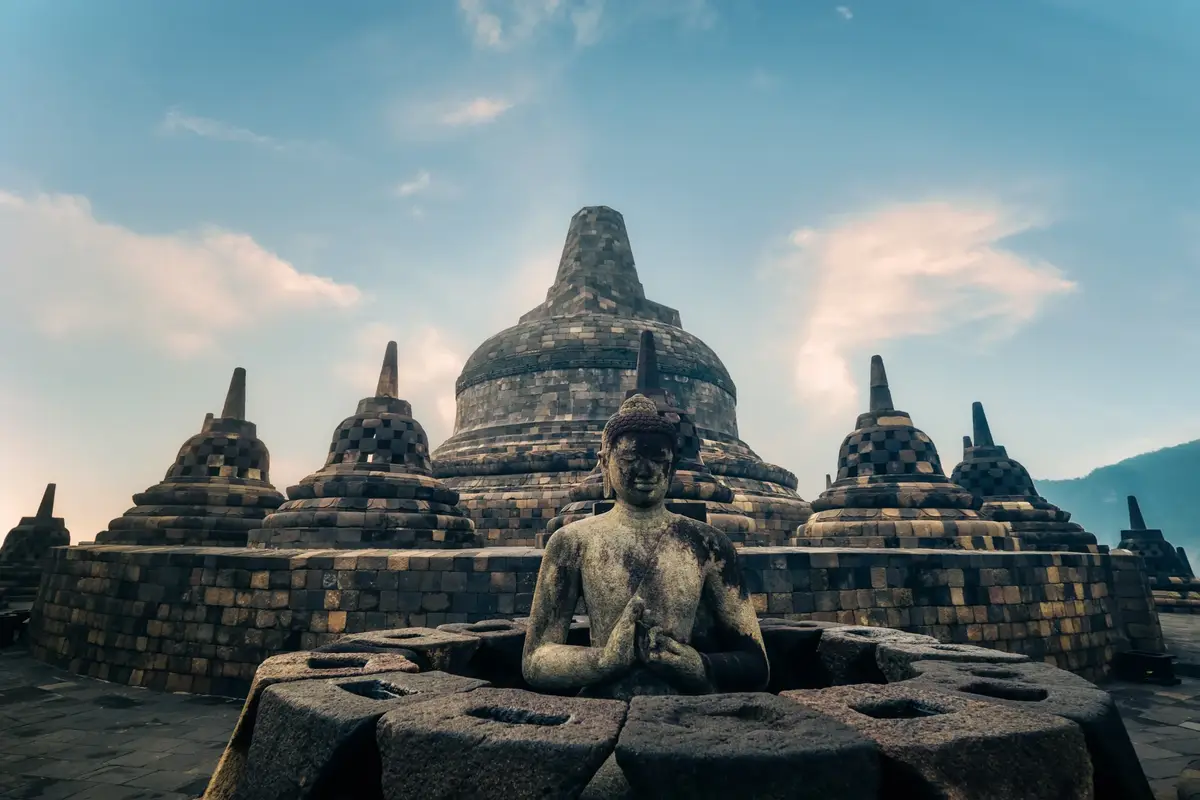
Witness the Sunrise at Borobudur Temple
The Spiritual Awakening, No image can prepare you for the scale of Borobudur. As the world’s largest Buddhist monument, it is a UNESCO World Heritage Site that represents the journey to Nirvana.
- The Experience: We recommend the sunrise visit. Watching the sun crest over Mount Merapi while the stone stupas are silhouetted against the morning mist is a spiritual experience, regardless of your faith. It is peaceful, humbling, and visually poetic.
- Insider Tip: Access to climb the temple structure is now strictly limited to preserve the stone. Book your “Structure Ticket” weeks in advance. Without it, you are limited to the temple grounds (which are still beautiful, but different).
Walk Through History at Prambanan Temple
The Hindu Masterpiece, While Borobudur is horizontal and massive, Prambanan is vertical and intricate. Dedicated to the Hindu trinity (Shiva, Vishnu, and Brahma), this 9th-century complex is a testament to ancient architecture.
- The Context: The detail in the stone carvings tells the story of the Ramayana. It is best visited in the late afternoon when the golden sun hits the spires.
- Don’t Miss: The Ramayana Ballet. Performed at night on an open-air stage with the illuminated temple as a backdrop, this traditional dance-drama is magical and requires no translation to understand.
Step into Royalty at The Sultan’s Palace (Kraton) & Water Castle
The Living Culture, Yogyakarta is unique because it is still ruled by a Sultan. The Kraton is not just a museum; it is his residence and the spiritual center of the Javanese universe.
- What to Expect: Don’t expect European-style opulence. The Kraton is about Javanese philosophy understated elegance, shaded courtyards, and deep symbolism. Arrive around 9:00 AM to catch daily cultural performances like Gamelan music or Javanese poetry singing.
- Taman Sari (Water Castle): Just a short ride away is the former royal bathing complex. It’s a maze of underground tunnels, mosques, and pools. It’s incredibly photogenic and offers a glimpse into the private life of ancient royalty.
Face the Power of Nature on a Mount Merapi Lava Tour
The Adrenaline Rush, Mount Merapi is one of the most active volcanoes on earth. It is feared and revered by locals.
- The Experience: You don’t need to be a hiker to experience this. Hop on a vintage 4×4 Jeep for a “Lava Tour.” You will drive over rugged terrain formed by past eruptions, visiting the “Alien Stone” and the Bunker.
- Human Touch: Ask your driver to stop at the “Sisa Hartaku” Museum (Museum of Remaining Treasures). It’s a small house preserved exactly as it was after the 2010 eruption, filled with melted cutlery and ash-covered clocks. It is a sobering, emotional reminder of nature’s power and human resilience.
Escape to the Southern Beaches
The Raw Ocean View, Unlike the calm waters of Bali’s Kuta, the beaches south of Yogyakarta face the fierce Indian Ocean.
- The Vibe: These beaches are for exploring, not swimming (the currents are strong).
- Highlights:
- Timang Beach: Famous for its manual wooden gondola that crosses rough waves to a coral island a thrill for the brave.
- Indrayanti & Drini: Offer white sands and seafood stalls where you can relax under a parasol with a fresh coconut.
- Logistics: These are about 2 hours from the city center, so a private driver is essential for a comfortable day trip.
Embrace the Chaos of Malioboro Street
The City Pulse, Jalan Malioboro is the spine of the city. It is loud, busy, and unapologetically alive.
- What to Do: Walk the street in the evening. You’ll find street musicians (pengamen), batik shops, and horse-drawn carriages (Andong).
- Local Etiquette: If you buy souvenirs here, bargaining is part of the dance. Do it with a smile! If the crowds get too much, duck into Mirota Batik (Hamzah Batik) a shop that feels like a quirky museum of Javanese curiosities.
Taste the Sweetness of Jogja
The Culinary Journey, Javanese cuisine in Yogyakarta is famously sweet, reflecting the polite and gentle nature of its people.
- Must-Try Dishes:
- Gudeg: Young jackfruit stewed for hours in palm sugar and coconut milk. It looks unusual but tastes like comfort food.
- Sate Klathak: Mutton satay grilled on iron bicycle spokes (yes, really!) for perfect internal cooking.
- Kopi Joss: Charcoal coffee. A red-hot piece of charcoal is dropped into your glass to lower acidity and add a smoky caramel flavor. It’s a show and a drink in one.
Explore the Modern Art & Cafe Scene
The Young Vibe, Yogyakarta is a university town, which means it has a vibrant youth culture.
- Where to Go: The Prawirotaman area is often called the “international village.” It is packed with gelato shops, aesthetic cafes, and art galleries. It’s the perfect place to unwind after a long day of temple hopping and swap stories with other travelers.
Read: The Ultimate Yogyakarta Travel Guide: Exploring the Cultural Heart of Java
How to Make It Happen
Yogyakarta is not a walkable city in the traditional sense; attractions are spread out Borobudur is to the north, the beaches are to the south, and traffic can be tricky.
This is where Trevmi Nusantara comes in.
We believe that travel shouldn’t be a logistical headache. We specialize in helping first-time international visitors maximize their time in Jogja.
- Comfort: Private, air-conditioned transport (essential in the tropical heat).
- Insight: Local guides who can explain the meaning behind the stone carvings, not just the dates.
- Flexibility: We design itineraries that move at your pace, not a bus schedule.
Final Thoughts
Yogyakarta tour leaves a mark on you. It’s in the smile of the locals, the taste of the sweet tea, and the shadow of the great volcano. It is a city that invites you to look deeper. Ready to explore? Let Trevmi Nusantara handle the details, so you can focus on the memories. Welcome to Jogja.
