

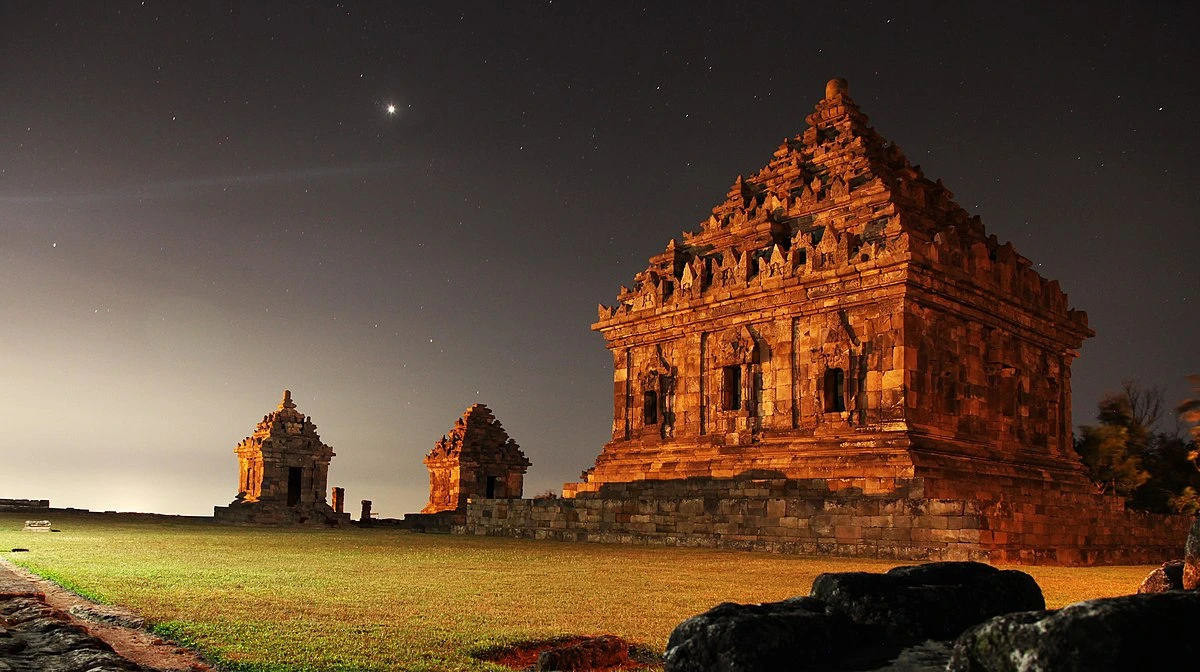
Yogyakarta Travel Guide – Stepping onto the platform at Tugu Station feels like entering a different era. The frantic energy of the capital fades, replaced by a polite, rhythmic calm. This city is not merely a tourist stop; it is the custodian of the Javanese soul. It preserves traditions that have guided island life for centuries.
I have spent months exploring the narrow alleys and royal compounds here. Every corner tells a story of sultans, spirits, and artistic devotion. To truly understand Indonesia, one must engage in Yogyakarta cultural travel deeply. It offers a profound connection to the human history of this archipelago.
The Living Sultanate: More Than a Museum
The Kraton is the physical and spiritual center of the province. It is not just a historical site; it is a functioning royal residence. The Sultan of Yogyakarta still lives here and serves as the governor. This unique political status keeps ancient court traditions alive and relevant today.
Walking through the pavilions, you will see the Abdi Dalem, or royal retainers. They wear traditional Javanese attire and walk barefoot as a sign of respect. They serve the Sultan not for money, but for spiritual fulfillment and honor. Their quiet dedication sets the tone for the entire city.
The Philosophy of Space
The city’s layout reflects a deep cosmological connection between nature and humanity. An imaginary line connects Mount Merapi in the north to the Southern Sea. The Kraton sits directly in the center of this powerful axis. It represents the balance between fire, water, and the human spirit.
This philosophical design influences how locals navigate their daily lives. Directions are often given in cardinal points rather than left or right. It reminds residents of their place within the greater universe constantly. You feel this sense of orientation and purpose wherever you go.
Artistic Heritage: Batik, Puppets, and Gamelan
Art in Yogyakarta is not a hobby; it is a way of life. The city is the undisputed capital of Javanese fine arts. You cannot walk down Malioboro Street without hearing the faint sound of bamboo instruments. Creativity here is viewed as a form of spiritual discipline.
The Art of Batik Tulis
Batik is the most visible expression of Javanese patience and philosophy. True Batik Tulis is drawn by hand using hot wax and a copper tool. The process requires a meditative state of mind and a steady hand. Each pattern holds a specific meaning, often reserved for royalty or weddings.
I once sat with a batik maker in the Giriloyo village. She explained that a single cloth can take months to complete. The smell of melting wax and the scratching sound of the canting are hypnotic. It is a sensory experience that defines the region’s identity.
Shadows and Sound: Wayang and Gamelan
The Wayang Kulit shadow puppet performance is a masterpiece of storytelling. The Dalang (puppeteer) manipulates leather figures behind a backlit screen all night. He voices dozens of characters while conducting the Gamelan orchestra simultaneously. The stories convey moral lessons from the Mahabharata and Ramayana epics.
The music of the Gamelan is distinct from Western musical scales. It uses a pentatonic scale that sounds dreamy and fluid to new ears. The instruments are treated with great respect and are never stepped over. Listening to a live performance is essential for understanding the Javanese tempo.
Spiritual Anchors: Ancient Temples and Myths
The landscape surrounding the city is dotted with massive stone monuments. These structures are reminders of a time when Hinduism and Buddhism flourished together. They provide the historical context that makes Yogyakarta cultural travel so compelling. Seeing them at sunrise is a spiritual pilgrimage for many.
Borobudur and the Path to Enlightenment
Borobudur is the largest Buddhist temple in the world, built in the 9th century. The structure is designed as a three-dimensional guide to reaching Nirvana. You ascend from the world of desire at the base to formlessness at the top. The relief panels are a library of ancient life carved in stone.
Traveler Note: Visit at sunrise to see the stupas silhouetted against Mount Merapi. The morning mist creates an atmosphere that feels prehistoric and sacred.
The top level features seventy-two bell-shaped stupas housing Buddha statues. Walking clockwise around them is a form of meditation known as pradakshina. The silence at the summit is heavy with centuries of prayer. It is a humbling reminder of human devotion and engineering skill.
Prambanan and the Hindu Legacy
To the east lies the towering Hindu complex of Prambanan. The central spire dedicated to Shiva rises forty-seven meters into the sky. It contrasts sharply with the horizontal bulk of Borobudur’s pyramid shape. The architecture here is vertical, jagged, and imposing against the sunset.
The site is famous for the Ramayana Ballet performed on open-air stages. Dancers reenact the epic love story of Rama and Shinta without dialogue. The illuminated temple serves as the most dramatic backdrop imaginable. It brings the stone carvings on the temple walls to vibrant life.
The Flavour of Tradition: Culinary Culture
Javanese cuisine in this region is distinctively sweet and savory. It reflects the abundance of sugar cane production during the colonial era. Food here is affordable, communal, and deeply comforting to the soul. You must eat like a local to truly understand the culture.
Gudeg and Sweetness
Gudeg is the iconic dish that defines the city’s palate. It is a stew made from young jackfruit cooked with palm sugar. It is usually served with chicken, egg, and spicy cattle skin krecek. The sweetness can be surprising, but it grows on you quickly.
My favorite place to eat this is in the Wijilan neighborhood. Dozens of restaurants line the street, serving the same dish for generations. You sit on mats, eat with your hands, and enjoy the atmosphere. It is slow food in the truest sense of the word.
Angkringan Culture
The social heart of the city beats at the Angkringan stalls. These are simple pushcarts serving small packets of rice and charcoal coffee. People from all walks of life sit together on the sidewalk to chat. It is a space where students, laborers, and artists mingle freely.
Read: Bali vs Yogyakarta: Which Destination is Better for Culture Lovers?
You must try Kopi Joss, the famous charcoal coffee of the region. The vendor drops a piece of red-hot charcoal directly into your glass. It sizzles loudly and imparts a unique, smoky caramel flavor. It is the perfect companion for late-night conversations about life.
Modern Yogyakarta: Where Tradition Meets Youth
Despite its ancient roots, Yogyakarta is incredibly young at heart. It is a university town, hosting students from all over the Indonesian archipelago. This influx of youth creates a vibrant, creative energy that keeps traditions evolving. You will see street art blending with traditional batik patterns.
The Student City Vibe
The presence of Universitas Gadjah Mada and art institutes shapes the culture. Coffee shops are filled with students debating politics and philosophy until dawn. This intellectual atmosphere makes the city feel progressive yet grounded. It is a safe harbor for artists and thinkers.
Read: Borobudur Sunrise Tour: A Must-Do After Bali
Underground music and contemporary art scenes thrive in the southern districts. Galleries often display works that challenge tradition while respecting it. This dynamic tension between the old and the new is fascinating. It ensures that the culture remains living rather than stagnant.
Practical Tips for Cultural Immersion
Respecting local customs is the key to unlocking the city’s warmth. The Javanese people are incredibly polite and value social harmony above all. Loud voices and aggressive behavior are frowned upon in public spaces. A smile is your most valuable currency here.
Dress modestly when visiting the Kraton or any religious sites. Shoulders and knees should always be covered out of respect. It is also polite to use your right hand for giving and receiving. These small gestures show that you care about their way of life.
| Cultural Do’s | Cultural Don’ts |
| Smile at strangers | Point with your foot |
| Use your right hand | Raise your voice |
| Dress modestly | Touch people’s heads |
Conclusion
A journey to this city is a lesson in Javanese philosophy. You learn to slow down, appreciate the details, and respect the past. From the majestic temples to the humble street stalls, the spirit is consistent. Yogyakarta cultural travel provides the context missing from a standard beach vacation.
The city remains the undisputed guardian of Java’s identity. It balances the weight of history with the energy of youth perfectly. You leave with a deeper understanding of the Indonesian human experience. It is, without a doubt, the cultural heart of the nation.
