

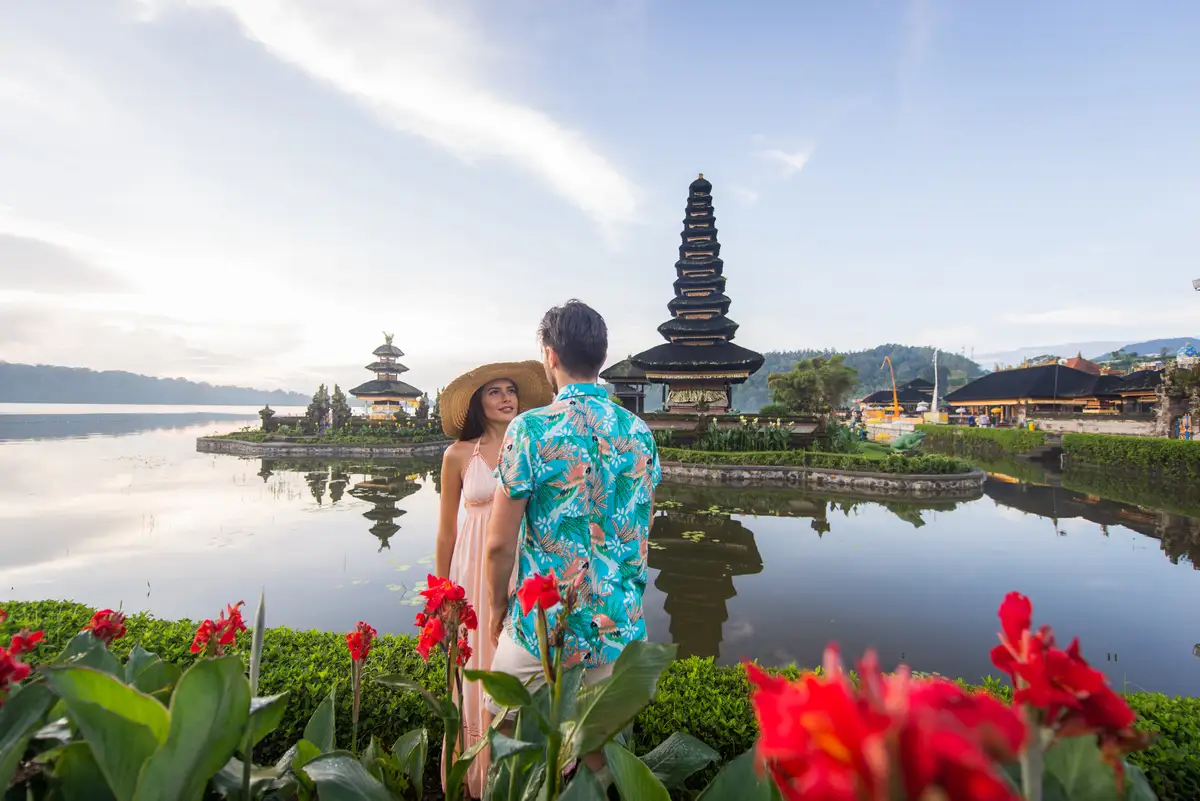
Yogyakarta Travel Guide – Leaving the pristine beaches of Bali often feels bittersweet for travelers. You have spent days soaking up the sun and enjoying the coastal energy. However, many explorers feel a pulling desire for something deeper and more historic. This is where Central Java enters the picture. A Yogyakarta after Bali trip offers the perfect balance to your Indonesian adventure. It shifts the focus from relaxation to profound cultural immersion.
Yogyakarta is often called the soul of Indonesia. It stands in stark contrast to the beach clubs of Seminyak or Canggu. Here, the air feels different, filled with the scent of clove cigarettes and incense. History is not just in museums; it lives on the streets. From ancient temples to royal palaces, the city demands your attention. It grounds you in a way that island life cannot.
Why the Transition to Java Matters
Bali excites the senses, but Yogyakarta feeds the spirit. The transition between these two islands highlights the diversity of the archipelago. Bali is predominantly Hindu and artistic in a flamboyant way. In contrast, Yogyakarta offers a refined, courtly Javanese culture. You will notice the difference immediately in the architecture and the people’s gentle demeanor. It is a necessary chapter in your travel story.
The pace of life in Yogyakarta is notably slower and more deliberate. This atmosphere allows you to process the experiences of your journey so far. You are not rushing to the next beach or sunset spot. Instead, you are invited to sit, sip tea, and watch the world go by. This change of pace is vital for long-term travelers. It prevents burnout and refreshes your appreciation for the country.
“To understand Indonesia, you must visit Java. While Bali is the country’s face to the world, Yogyakarta is its beating heart.”
Getting to Yogyakarta: A Scenic Journey
Traveling from Bali to Yogyakarta is surprisingly easy and offers distinct choices. You can fly directly, which takes just over an hour. This is the best option for those short on time. Flights depart daily from Denpasar to the new Yogyakarta International Airport (YIA). However, the airport is quite far from the city center. You must plan for a train or taxi ride upon landing.
For the adventurous soul, the overland journey is an unforgettable experience. You can take a ferry to East Java and then a train. The train ride across Java is legendary for its scenic beauty. You will pass emerald rice paddies, volcanoes, and charming villages. It takes longer, but it reveals the landscape’s changing character. It transforms the transit into a highlight of your trip.
| Mode of Transport | Duration | Cost | Best For |
| Direct Flight | 1.5 Hours | Moderate | Time-savers & families |
| Train + Ferry | 12-15 Hours | Low | Backpackers & scenery lovers |
| Private Driver | 2 Days | High | Flexible explorers |
Ancient Marvels: Borobudur and Prambanan
No visit to this region is complete without witnessing Borobudur Temple. It is the largest Buddhist structure in the world. Seeing the sunrise here is a spiritual experience that defies description. The morning mist clings to the surrounding jungle as the stupas emerge. It is peaceful, majestic, and deeply moving. You should aim to arrive as early as possible to beat the crowds.
Just an hour away lies the magnificent Prambanan Temple complex. This massive Hindu site rivals Angkor Wat in its intricacy and scale. It was built in the 9th century and dedicated to Shiva. The towering spires pierce the sky, showcasing ancient engineering brilliance. Walking through these ruins at sunset offers a dramatic contrast to Borobudur. The stone reliefs tell epic stories of the Ramayana.
Tips for Temple Visits
You must dress respectfully when visiting these sacred sites. Sarongs are often required and usually provided at the entrance. The tropical heat can be intense around midday. Therefore, early morning or late afternoon visits are highly recommended. Bring plenty of water and wear comfortable walking shoes. The temple grounds are vast and require significant walking.
The Living Royal Culture
The Kraton, or Sultan’s Palace, is the center of Yogya’s universe. It is a living residence, not just a dusty museum. The Sultan still lives here and remains the governor of the region. You can wander through open pavilions and see royal artifacts. If you are lucky, you might catch a traditional dance rehearsal. The gamelan music echoes softly against the palace walls.
Exploring the Water Castle
Just a short walk from the Kraton is Taman Sari. This is the former royal garden and bathing complex. It is a maze of underground tunnels, mosques, and pools. The architecture is a unique blend of Javanese and Portuguese styles. It offers a glimpse into the private lives of the sultans. The site is incredibly photogenic and tells stories of royal intrigue.
Experiencing Malioboro Street
Jalan Malioboro is the commercial spine of the city. It is chaotic, loud, and undeniably vibrant. During the day, sidewalks are packed with vendors selling batik and souvenirs. At night, the street transforms into a culinary haven. Lesehan (floor seating) stalls pop up, serving local delicacies. It is the best place to engage with locals and practice your bargaining skills.
Horse-drawn carts, known as Andong, rule the roads here. Taking a ride in one is a classic tourist experience. It offers a break from walking in the humid heat. Be sure to agree on a price before you hop in. As you ride, you will see Dutch colonial buildings mixed with modern shops. It is a visual timeline of the city’s history.
Javanese Flavors You Must Try
Food in Yogyakarta is distinctively sweet compared to other regions. The most famous dish is Gudeg, a young jackfruit stew. It is cooked for hours with palm sugar and coconut milk. It is usually served with rice, chicken, and spicy cattle skin crackers. You might find it too sweet initially, but it grows on you. It is the ultimate comfort food of Java.
Coffee lovers must try the unique Kopi Joss. This is charcoal coffee found at street stalls called Angkringan. The vendor drops a piece of red-hot charcoal directly into your glass. It sizzles loudly and supposedly lowers the coffee’s acidity. Sitting on a woven mat, drinking coffee, and chatting is the local way. It captures the essence of the city’s relaxed social life.
Nature Beyond the Temples
While culture is the main draw, nature is never far away. Mount Merapi, an active volcano, looms over the city’s northern horizon. You can take a Jeep tour to explore the lava fields. The landscape is stark and reminds you of nature’s power. Seeing the smoking crater up close is thrilling. It provides a rugged contrast to the refined temples.
For those seeking darkness and light, Jomblang Cave is essential. It is a vertical cave requiring you to rappel down. At the bottom, you find an ancient forest. The highlight is the “Light of Heaven” phenomenon. Sunlight streams through a hole in the roof, illuminating the cave floor. It is a photographer’s dream and a true adventure.
Where to Stay: Heritage and Comfort
Yogyakarta offers accommodation options that enhance the cultural vibe. You can stay in converted heritage homes in the Prawirotaman area. These hotels often feature antique furniture and lush courtyards. They provide a quiet sanctuary away from the busy streets. Staying here feels like stepping back into the colonial era. It adds another layer of history to your stay.
Read: Private Borobudur and Prambanan Tour from Yogyakarta
Budget travelers will love the homestay culture in the winding gangs (alleys). Local families open their homes to visitors with warm hospitality. It is an affordable way to experience authentic Javanese life. You get homemade breakfasts and insider tips from your hosts. For luxury seekers, there are resorts near Borobudur. These offer world-class views of the temple right from your bed.
Navigating with Trevmi Nusantara
Exploring a city this rich in history can be overwhelming. This is where Trevmi Nusantara proves invaluable as your partner. They are a premier Yogyakarta Travel Guide service. They understand that you need more than just a driver. You need a storyteller who can unlock the secrets of Java. They bridge the gap between a tourist and a guest.
Trevmi Nusantara specializes in crafting itineraries that flow smoothly. They know exactly when to visit temples to avoid crowds. Their guides can explain the complex history of the Mataram Kingdom simply. They also know the best hidden spots for authentic Gudeg. With their help, your logistical worries disappear completely. You are free to focus entirely on the experience.
Practical Tips for the Transition
Moving from Bali to Java requires a slight adjustment in etiquette. Java is more conservative, so modest dress is appreciated. Covering your shoulders and knees is respectful when not in your hotel. Public displays of affection are also frowned upon here. The locals are incredibly polite and soft-spoken. Smiling is the universal language and opens many doors.
Read: How to Add Yogyakarta to Your Bali Trip
You should also be prepared for the call to prayer. It is a beautiful, constant reminder of the local faith. Alcohol is available but less ubiquitous than in Bali. You will find it in hotels and certain bars, but not everywhere. Cash is still king in many smaller warungs and stalls. Keep small change handy for parking and street snacks.
Conclusion
A Yogyakarta after Bali trip is the narrative arc your journey needs. You move from the external beauty of Bali’s nature to the internal depth of Java’s culture. The contrast enriches your understanding of what Indonesia truly is. You leave with not just photos, but a sense of connection to history. It balances the fun of the beach with the wisdom of the ancients.
From the sunrise at Borobudur to the bustle of Malioboro, the memories stick. The sweetness of the food and the kindness of the people linger long after you leave. With the help of experts like Trevmi Nusantara, the complexities of the city become accessible. Do not just visit Indonesia for the beaches. Come to Yogyakarta to find its soul.
